
Why MENA Representation Matters: Celebrating Women Owned Businesses in the Lehigh Valley
Discover and support local women owned businesses this Arab/MENA (Middle Eastern and North African) Heritage Month in the Lehigh Valley. While preparing for Asian American and Pacific Islander Heritage Month, I found myself thinking more intentionally about representation and began wondering whether the Middle Eastern and North African community had a dedicated time for celebration and visibility. In that search, I discovered April is Arab/MENA Heritage Month, something I had not previously been aware of, and it stopped me in my tracks.
That realization opened the door to a deeper reflection. Too often, MENA communities are overlooked, underrepresented, or spoken about through limited and negative narratives. We may find ourselves in shared spaces and broader cultural conversations, but representation cannot and should not be reduced to a single story, person, or experience.
There is so much richness, diversity, and individuality within Middle Eastern and North African cultures that deserves to be seen, celebrated, and supported. This is an opportunity to shift the narrative and create space for more meaningful representation. Below, you will find a curated selection of local women owned businesses led by those of Middle Eastern and North African heritage across the Lehigh Valley. Each one contributes to a more connected and inclusive community through the work they do and the spaces they hold.
Meet Numra, founder of Yaqub Counseling
🌿
Meet Numra, founder of Yaqub Counseling 🌿
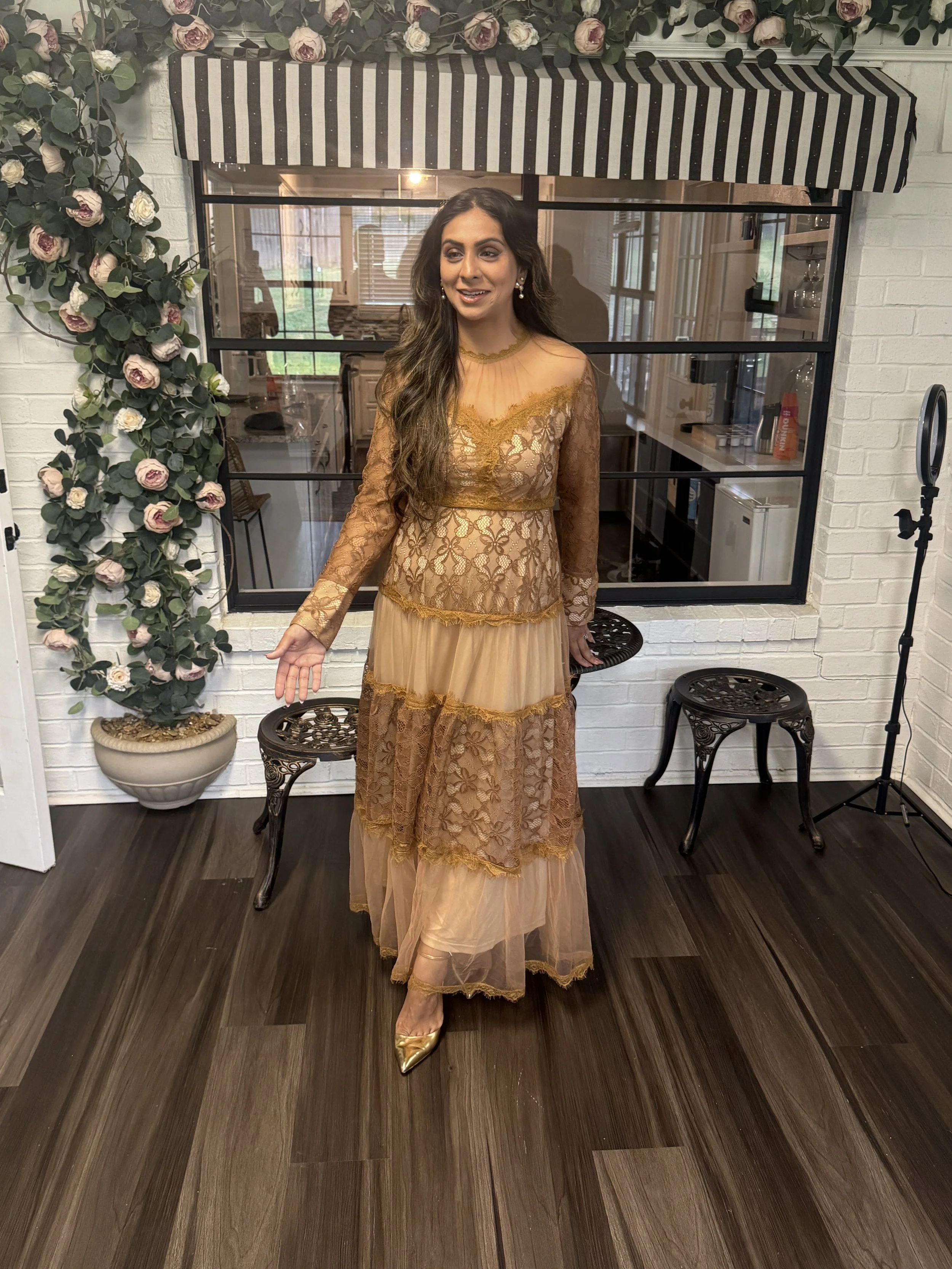
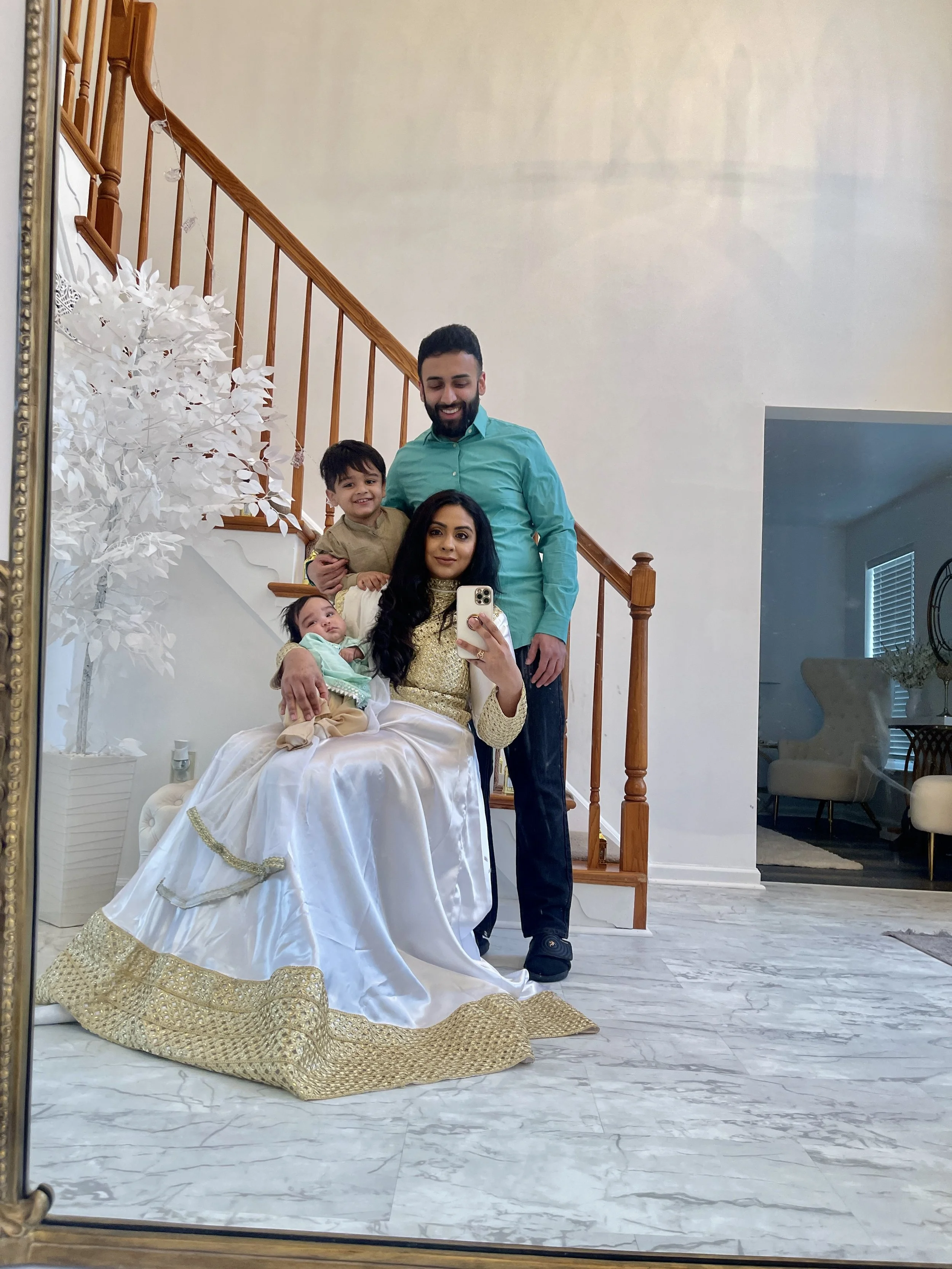
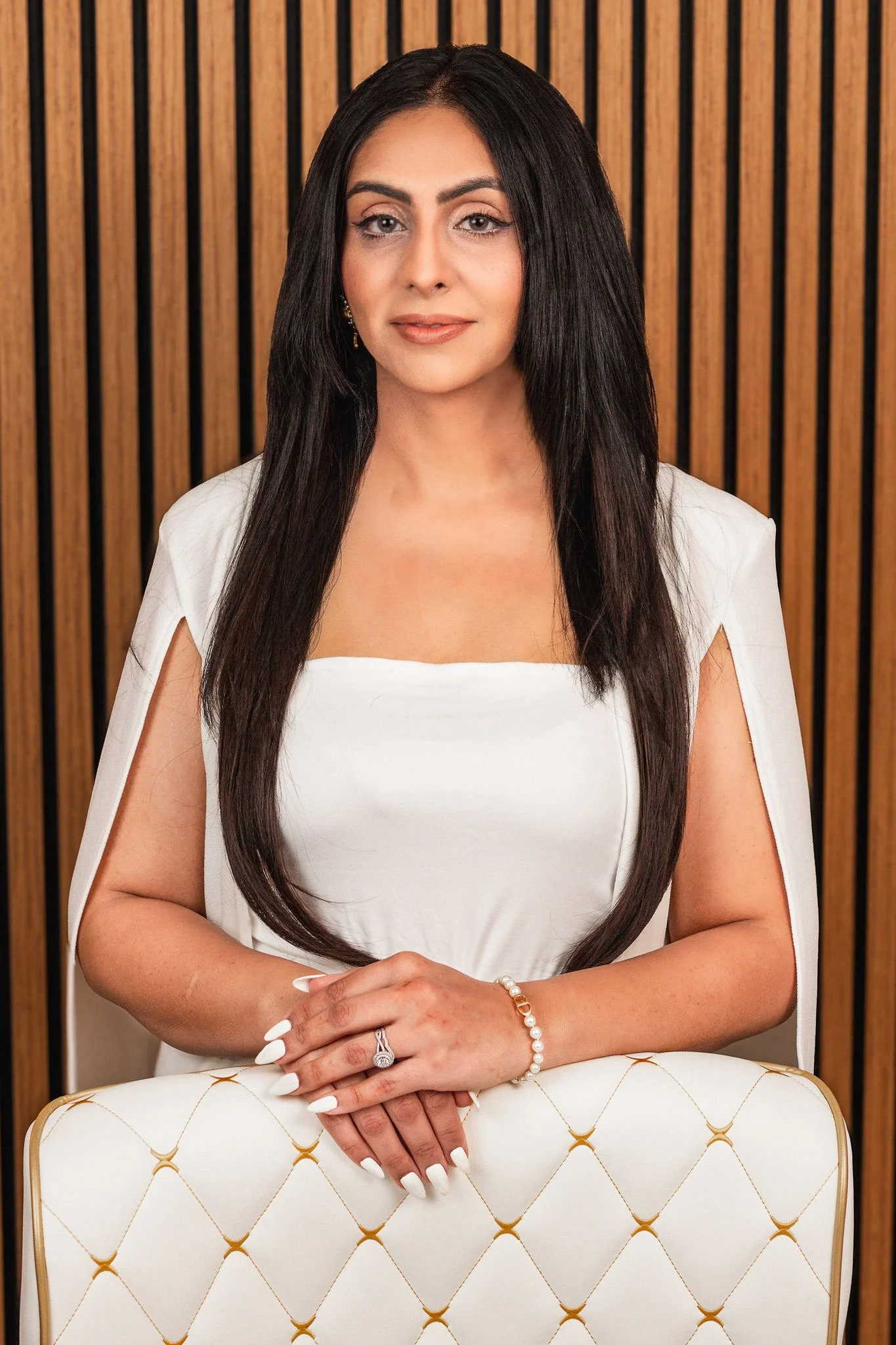
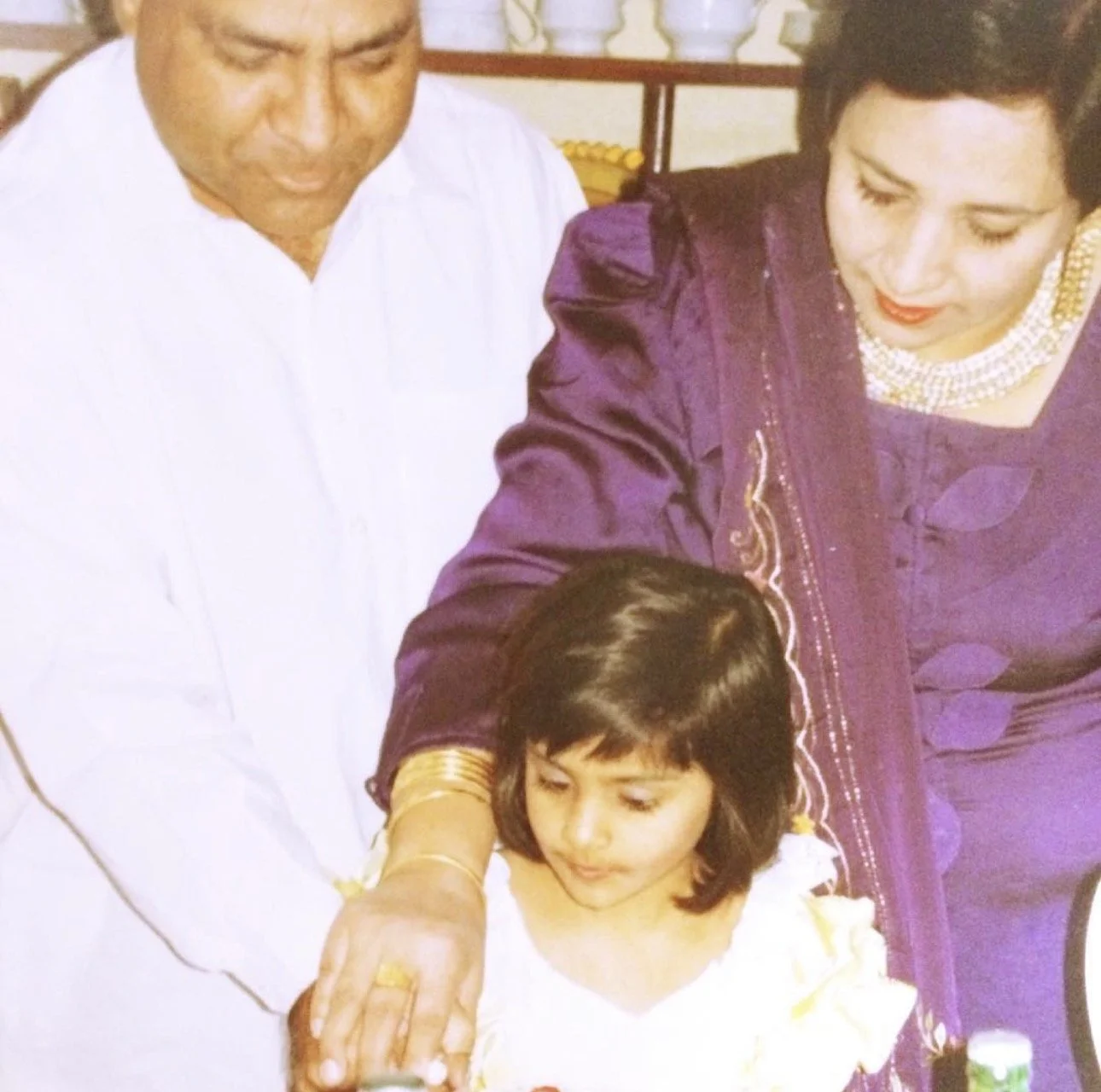
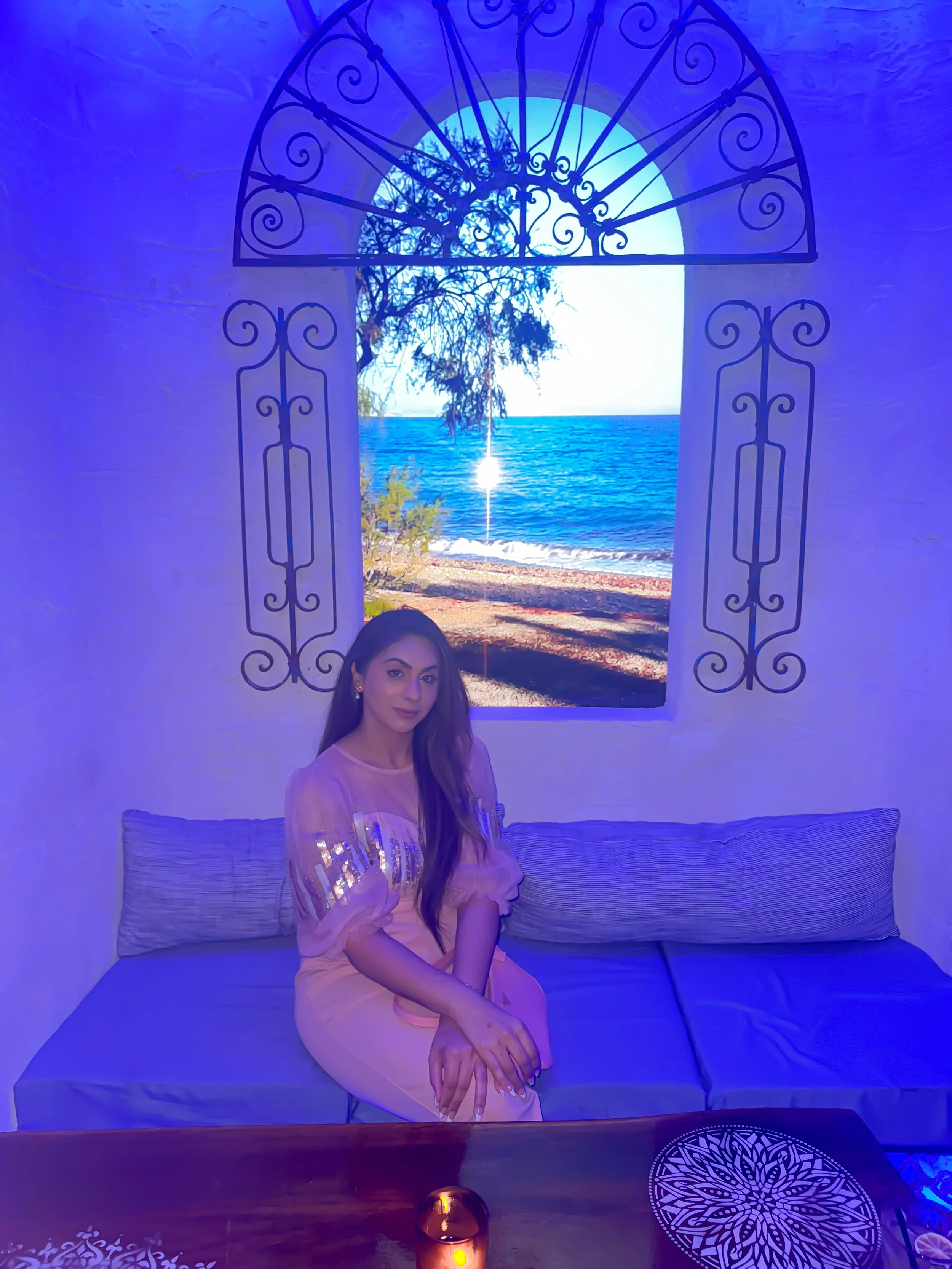
I come from a Pakistani background, which has deeply shaped who I am today in both subtle and meaningful ways. Growing up, there was a strong emphasis on family, community, and showing up for others. Those are the core values that I still carry into both my personal life and my work. There’s also a deep respect for resilience, faith, and perseverance in our culture, which has influenced how I navigate challenges and support others through theirs.
At the same time, being part of a bicultural experience has given me a broader perspective. I’ve learned how to move between different worlds, understand diverse viewpoints, and appreciate the complexity of identity. That’s something that has strengthened my ability to connect with people from all walks of life. My cultural background grounds me in empathy, connection, and purpose, and I try to bring that into everything I do.
I was raised in a Pakistani household where values like family, compassion, and responsibility were not just taught, but lived daily. For the first seven years of my life, we resided in a joint family system alongside my uncle’s family and my grandmother. That experience deeply shaped my understanding of connection, shared responsibility, and collective care. Living in a multigenerational home meant that support, guidance, and presence were always within reach, reinforcing the idea that we are not meant to navigate life alone. There was a strong sense that our roles extended beyond ourselves and into the wellbeing of our family and community. That foundation has stayed with me and continues to shape how I move through the world.
Storytelling was also an integral part of my upbringing. Through conversations with elders, including my aunts, uncles, grandmothers, especially within a home filled with multiple generations, I learned to listen deeply, to honor lived experiences, and to recognize the strength that exists within people’s stories. My grandparents lived through a war and shared stories about the difficulties they faced, the losses they experienced, and the resiliency it took to build a life rooted in authenticity. These early experiences instilled in me a deep respect for resilience and the ways individuals navigate hardship with dignity.
Faith and perseverance were constant themes growing up. I was taught to approach challenges with patience, trust, and a sense of purpose. Those lessons have grounded me in moments of uncertainty and have strengthened my ability to remain present and supportive for others.
Today, these values show up in how I engage with people, with empathy, cultural awareness, and a genuine commitment to connection. My upbringing has not only shaped who I am but continues to guide the way I show up in both my life and my work.
Building something of my own has always been a part of my story. I come from a family of business owners. My grandfather owned a fan factory in Pakistan, my uncles own their own business, and my father spent much of his life running his own businesses. Growing up, I was surrounded by conversations about hard work, risk, perseverance, and what it means to create something meaningful. That environment instilled in me not only an appreciation for building a business, but a deep respect for the discipline and resilience it requires. At the same time, my Pakistani heritage emphasized service, community, and collective wellbeing. I saw firsthand how business was not just about profit, but about providing for others, creating stability, and contributing to something larger than oneself. That perspective shaped how I define success, not just in terms of growth, but in impact.
Starting my own practice felt like a natural extension of both my personal and cultural background. It allowed me to combine the drive to build something of my own with my passion for supporting others. In many ways, my business is a reflection of those early influences: grounded in resilience, driven by purpose, and centered on creating meaningful change within the community.
There wasn’t one single moment, but rather a series of experiences that gradually clarified this path for me. Growing up in a family where building something of your own was the norm, I was always aware of what was possible. But it wasn’t until I began working closely with individuals and witnessing the gaps in access to mental health care that something shifted.
I saw how many people were struggling to find support that felt both accessible and culturally attuned. That realization stayed with me. It made me think not only about the kind of clinician I wanted to be, but the kind of space I wanted to create; one that felt warm, inclusive, and reflective of the diverse communities it serves.
At a certain point, I recognized that I didn’t just want to be part of a system. I wanted to build something that could better meet those needs. That clarity became the turning point. It pushed me to step into creating my own practice, where I could shape the experience of care in a more intentional and meaningful way. Looking back, it feels less like a single defining moment and more like a quiet but persistent pull toward something I knew I was meant to build.
I wish more people understood the depth and diversity within our communities. There is so much richness, resilience, and nuance that often goes unseen beyond surface-level assumptions. The idea that families are overly strict or controlling, without recognizing the deeper values of protection, care, and interconnectedness. The stereotype that women lack autonomy or voice, overlooking the strength, leadership, and influence many women hold within their families and communities. the tendency to define the culture primarily through religion or politics, rather than understanding the full humanity, identity, and individuality of the people within it.
I hope to leave behind a legacy of impact that normalizes mental health care, expands access, and creates spaces where people feel safe, seen, and empowered to grow. On a more personal level, it is also about the legacy I am building for my children, following in the footsteps of my own late parents. It’s about showing them what it means to lead with purpose, resilience, and care, and to create something that not only supports others, but reflects the values we carry forward.
-
My cultural background shapes my work in ways that are both intentional and deeply ingrained. Coming from a Pakistani background, which is often broadly grouped within Middle Eastern and South Asian cultural values, I was raised in a culture where emotions are deeply felt, but not always openly expressed. That has influenced my commitment to creating spaces where people feel safe exploring what may have once gone unspoken. There is also a strong emphasis on family and interconnectedness, which guides my holistic approach to care. I recognize that people’s experiences are shaped by their relationships, cultural expectations, and lived environments, and my heritage is woven into how I listen, connect, and create spaces that feel both safe and culturally responsive.
-
Representation means visibility, but also responsibility. It’s about showing our voices, experiences, and ways of belonging in professional spaces and creating pathways for others to feel seen and included.
-
Home means giving love, offering unconditional positive regard, and being able to be with people in a way that feels safe and grounding. Belonging means being in a space without fear of judgment or criticism, being accepted for who I am, not because it fits others’ expectations, but because it aligns with my own values and upbringing. In my work, I strive to create that same sense of home for others and a space where they feel supported, accepted, and at ease.
yaqubcounseling.com | Instagram @yaqubcounselingservices
Meet Giana, Founder of With Meraki Co.
👑
Meet Giana, Founder of With Meraki Co. 👑
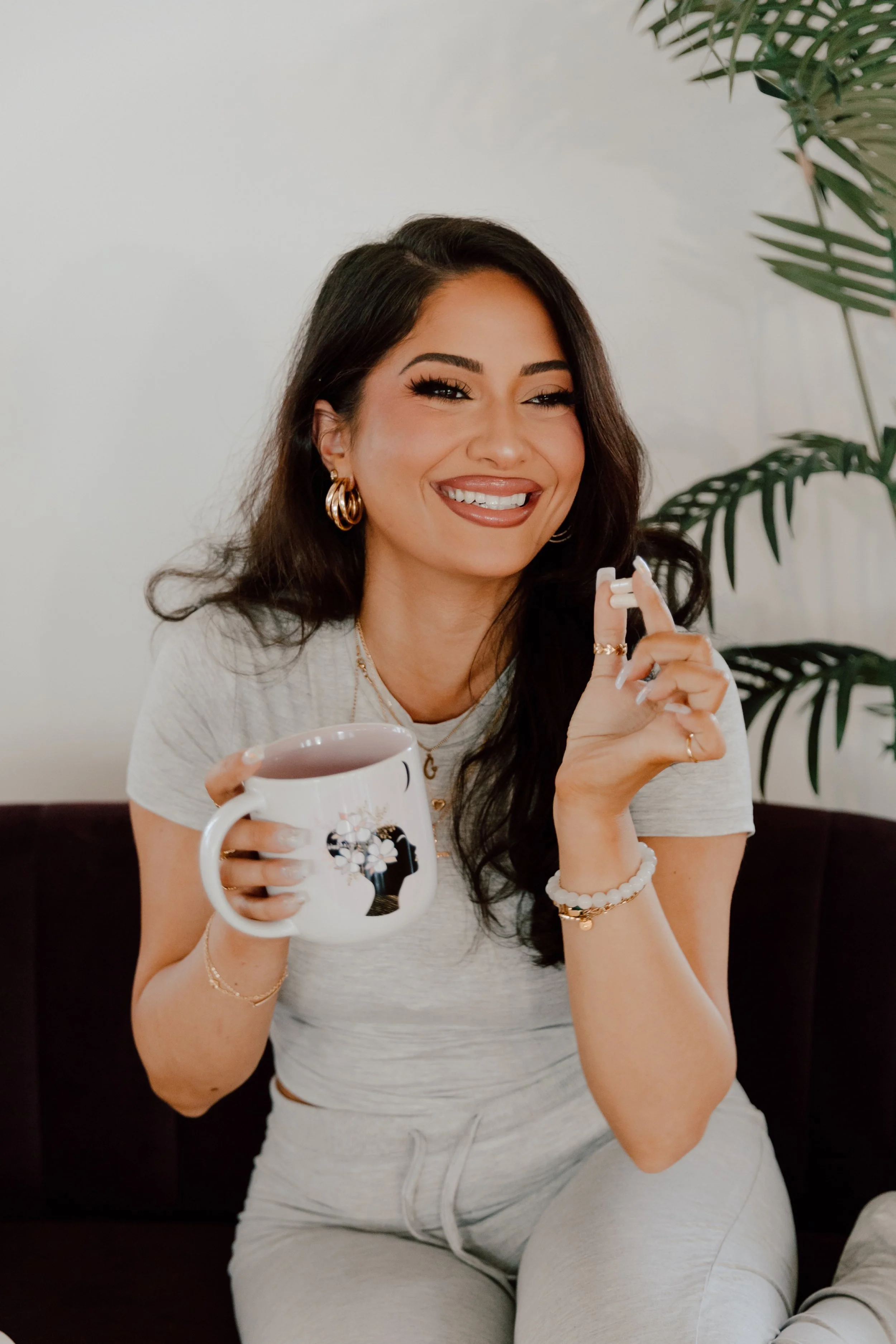
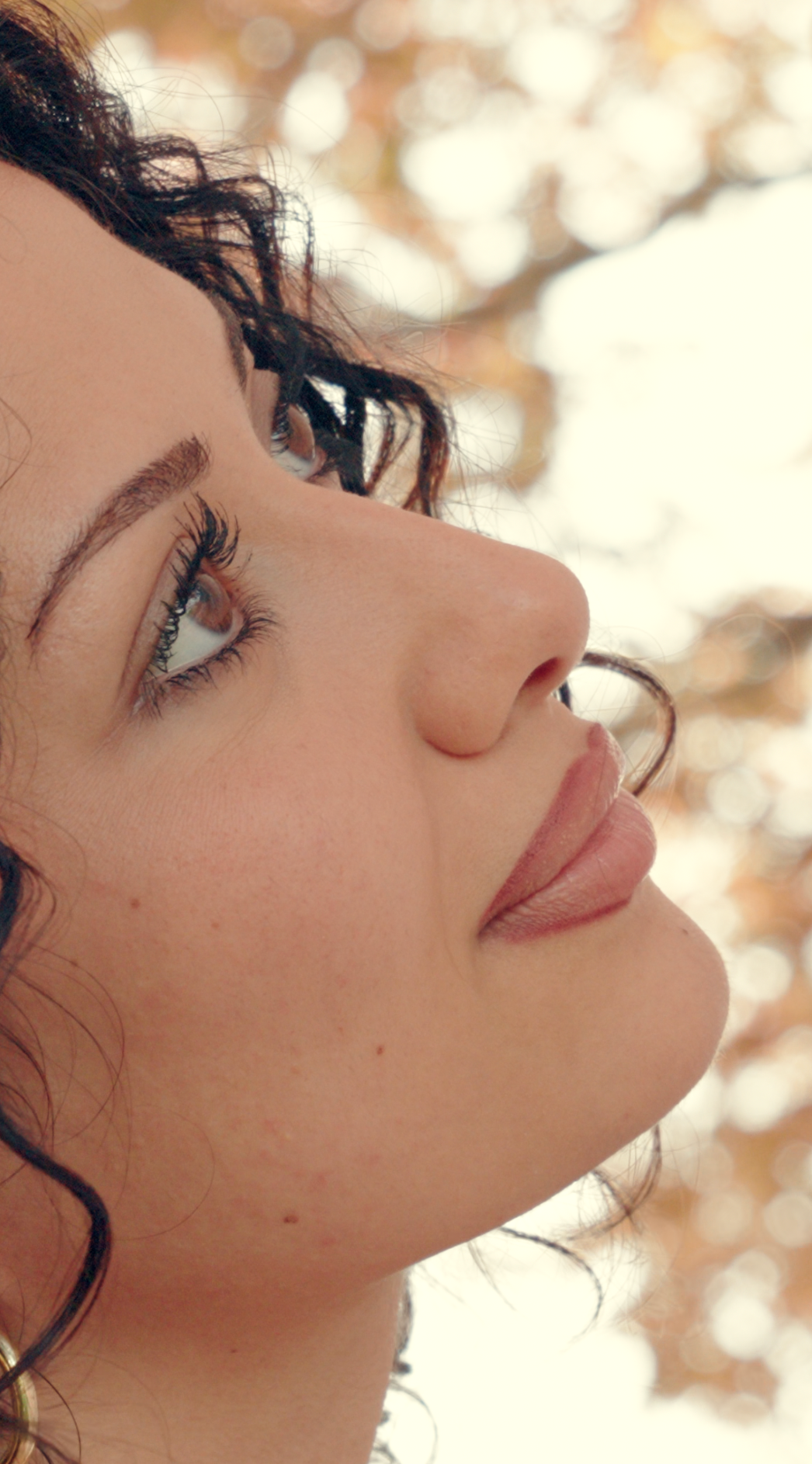
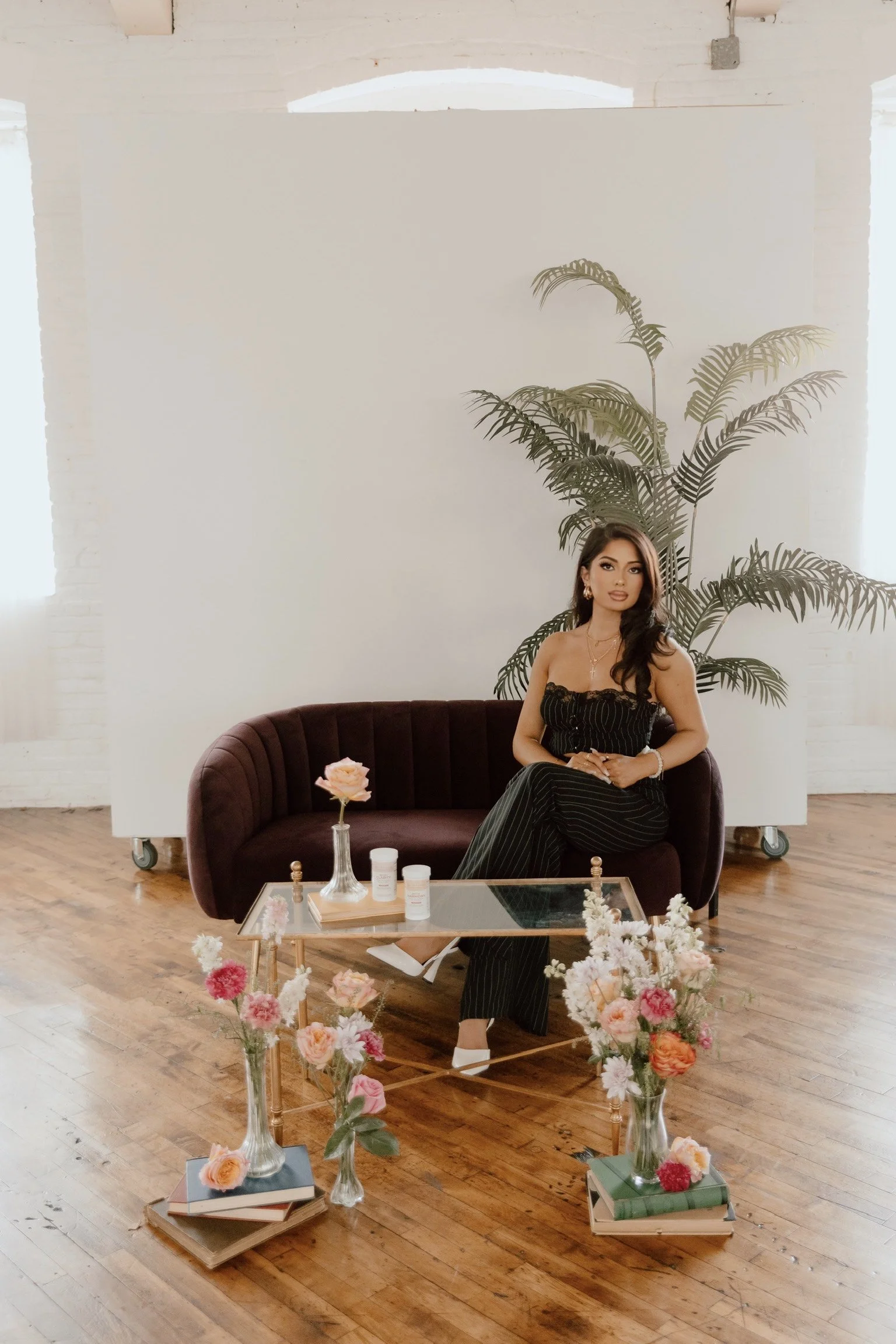
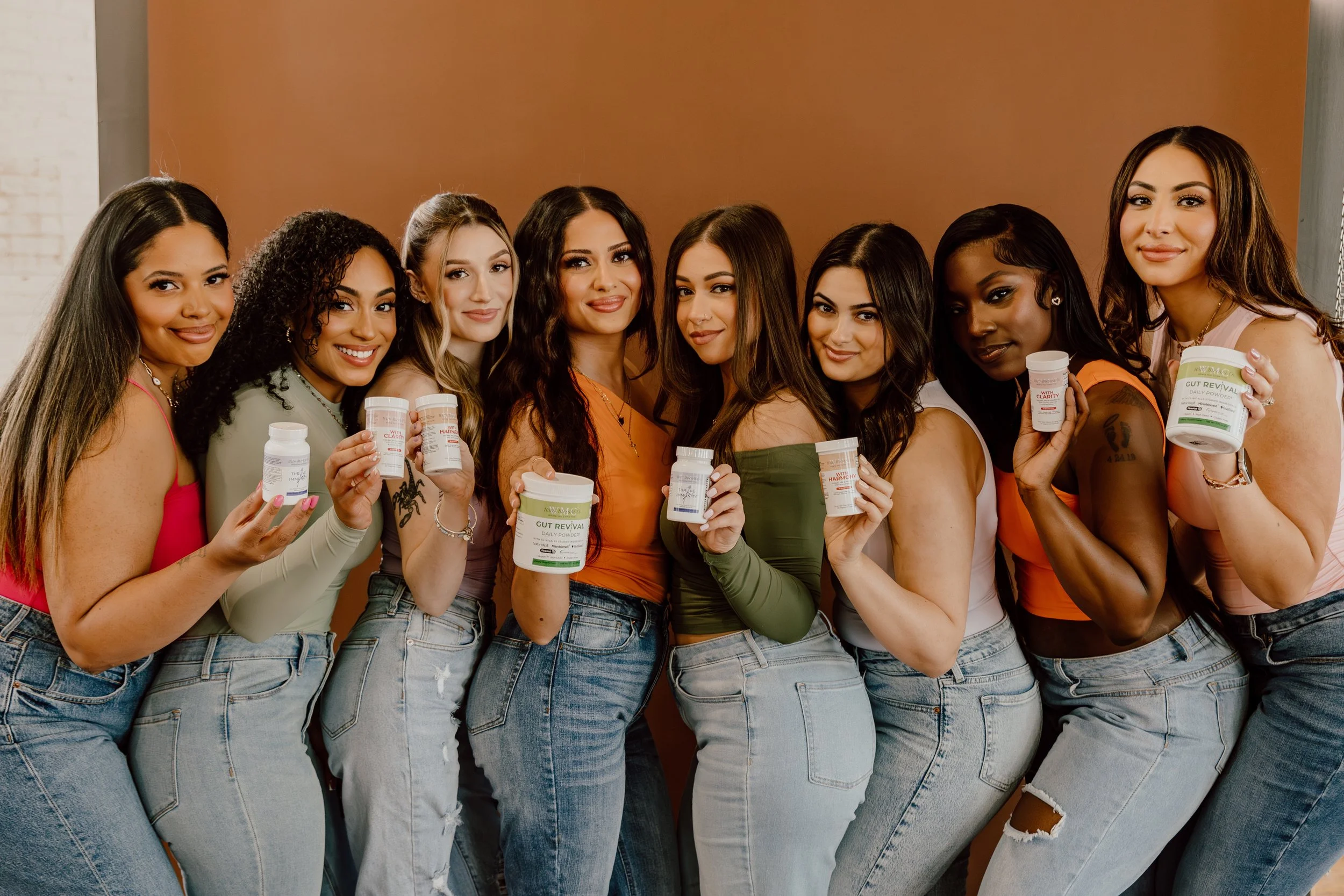
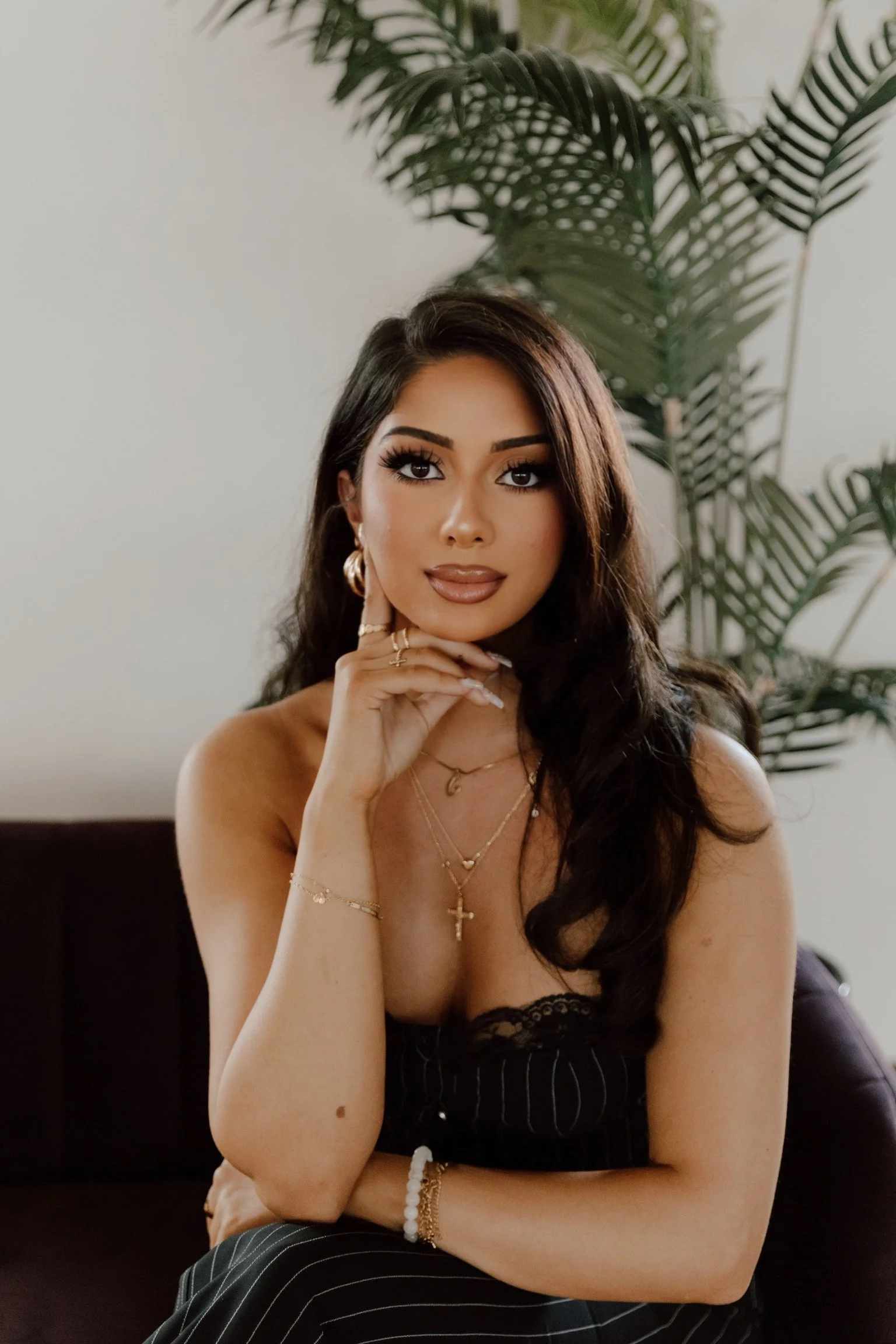
I’m a first-generation Syrian-American woman, and that identity has shaped me in every room I walk into. I was raised between two worlds, one rooted in deep tradition, resilience, and community, and the other in innovation, independence, and opportunity. Growing up, I learned how to navigate both, and that duality made me incredibly observant and intentional. It taught me how to question systems, how to advocate for myself, and how to build something that honors where I come from while pushing forward into what’s possible.
One of the biggest values that stayed with me is that care is not superficial, it’s intentional. In Middle Eastern culture, care shows up in how you nourish people, how you host, how you show up for others without needing recognition. That translates directly into my work. I don’t believe in surface-level solutions, I believe in understanding the root, being thoughtful, and creating something that actually supports people long term. There’s also a deep sense of resilience in my upbringing, especially as the daughter of an immigrant mother, and that has carried me through every challenge in entrepreneurship.
I started my business out of frustration with how women’s health is approached, both in the medical system and in the wellness space. There was a disconnect between science and real lived experiences. My heritage plays into that because I grew up in a culture where conversations around women’s bodies were often stigmatized or misunderstood, yet women still found ways to care for themselves quietly and intuitively. That contrast pushed me to create something that brings science, education, and empowerment into one place without shame.
It wasn’t just one moment, it was a buildup. Years of seeing gaps in women’s health education, experiencing those gaps myself with recurrent UTIs, my mom developing pre-cervical cancer, and realizing that so many women were navigating the same confusion without real answers. As a biomedical engineer, I had the tools to understand the science, and as a woman, I understood the emotional and physical impact. That intersection made it impossible for me to ignore. It became less of a choice and more of a responsibility.
I wish people understood the depth and nuance. There’s so much richness in Middle Eastern culture, in the way we approach care, family, resilience, and identity. At the same time, there are complexities and challenges, especially when it comes to women’s health and autonomy. Both can exist at the same time. It’s not one-dimensional, and it shouldn’t be reduced to stereotypes.
My work creates access to information that many women didn’t grow up having, including women from my own community, through my social media educational content. It challenges shame-based narratives and replaces them with education and understanding. For me, that’s powerful. It’s not just about products, it’s about shifting how women view their bodies and giving them the tools to advocate for themselves.
I want to leave behind a new standard for women’s health, one that is rooted in science, transparency, and respect. I want people to look at my work and see that it’s possible to build something successful without fear-based marketing or misinformation. And beyond that, I want to open doors for other women, especially women from underrepresented backgrounds, to step into science, entrepreneurship, and leadership.
-
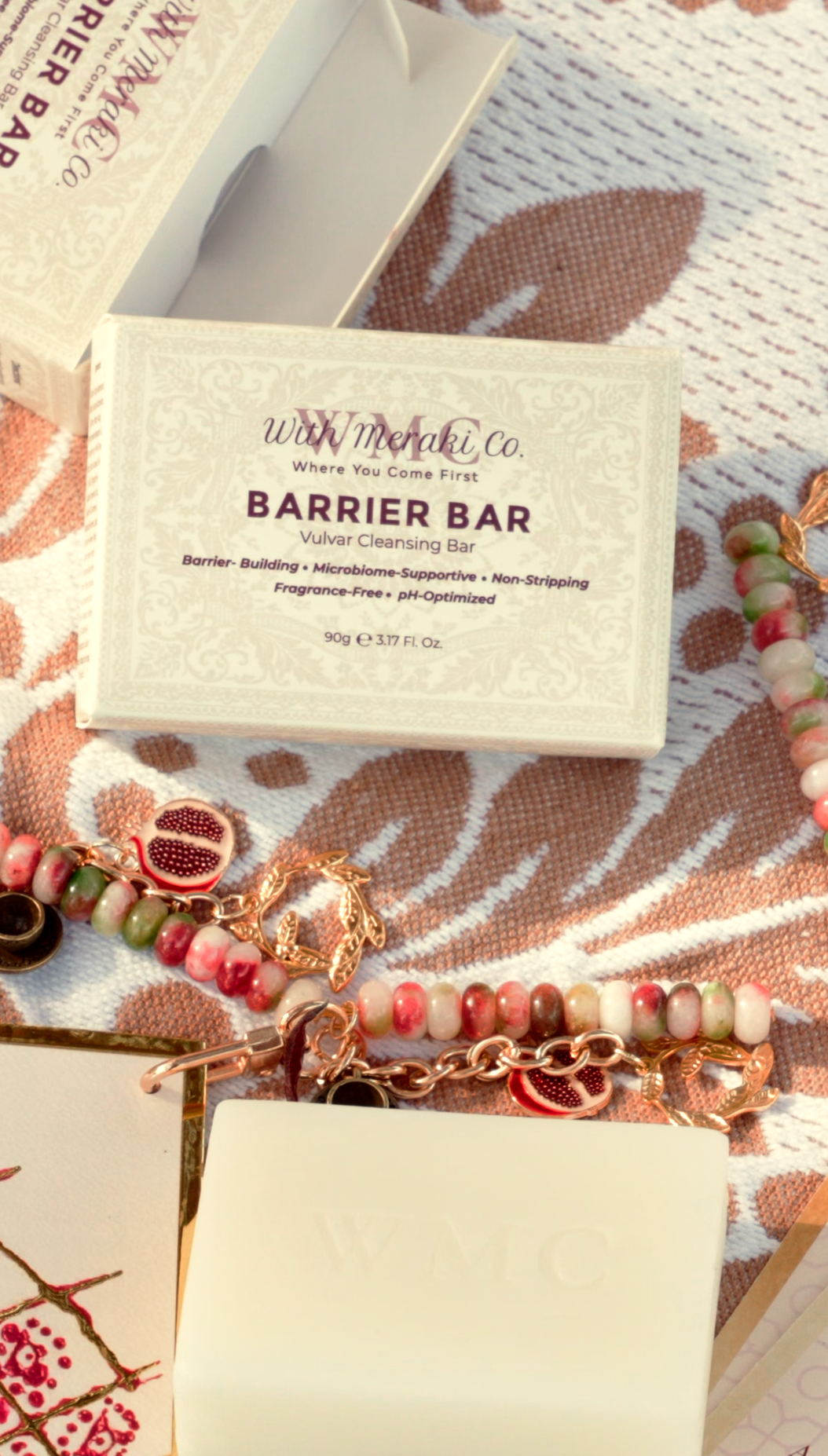
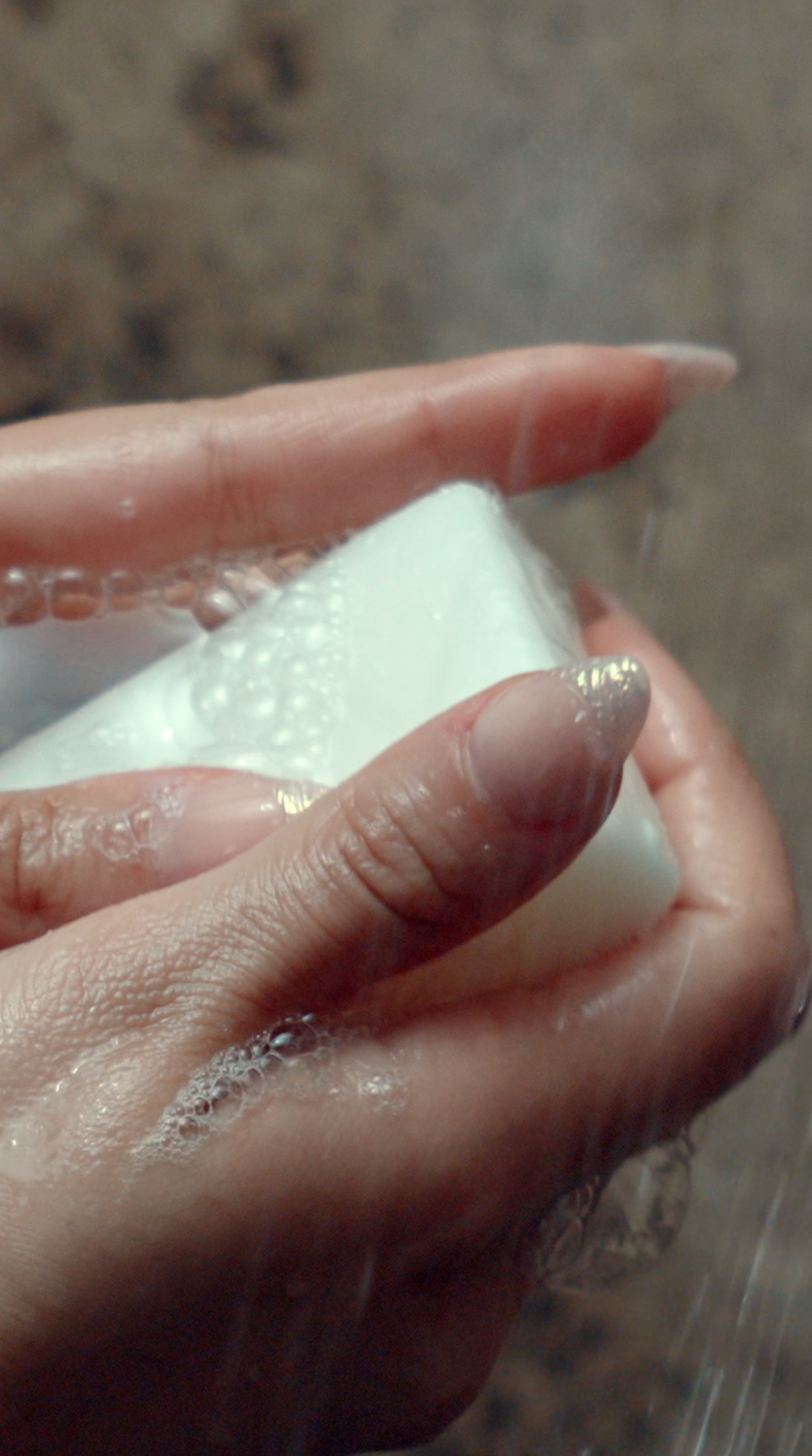
Yes, and especially with our newest product launch (launching in May), Barrier Bar, which is a feminine cleanser. That product is actually one of the most intentional expressions of my culture. It draws from traditional cleansing rituals that have existed in Middle Eastern communities for generations, but reimagines them through a modern, science-backed lens. Growing up, there was always an understanding that care was ritualistic, it wasn’t rushed or transactional, it was something you experienced and respected. With Barrier Bar, I wanted to bring that feeling back while also correcting the misinformation that exists in the feminine hygiene space. It’s a way of honoring where I come from while creating something that meets women where they are today, rooted in both tradition and physiology.
-
It means showing up fully as who you are, not diluting your identity to fit into spaces that weren’t built with you in mind. For me, representation is about expanding what people expect to see, especially in industries like science and women’s health. It’s about being in rooms where decisions are made and bringing a perspective that has historically been overlooked. I think today, there are so many narratives about what it means to be MENA, and many of them are limiting or one-dimensional. For me, being proud of my ethnicity while also spearheading change challenges that narrative. Some people see those two things as contradictory, but I see it as evolution. It’s proof that you can honor your roots while also redefining what the future looks like.
-
Home, for me, isn’t just a place, it’s a feeling of alignment. It’s being able to exist fully as who I am without having to separate parts of my identity. In my work, that means building something that reflects me completely, my culture, my values, my voice. Belonging comes from creating spaces where other women feel that same sense of understanding and connection.
shopwithmerakico.com | Instagram @withmerakico | TikTok @gianamj
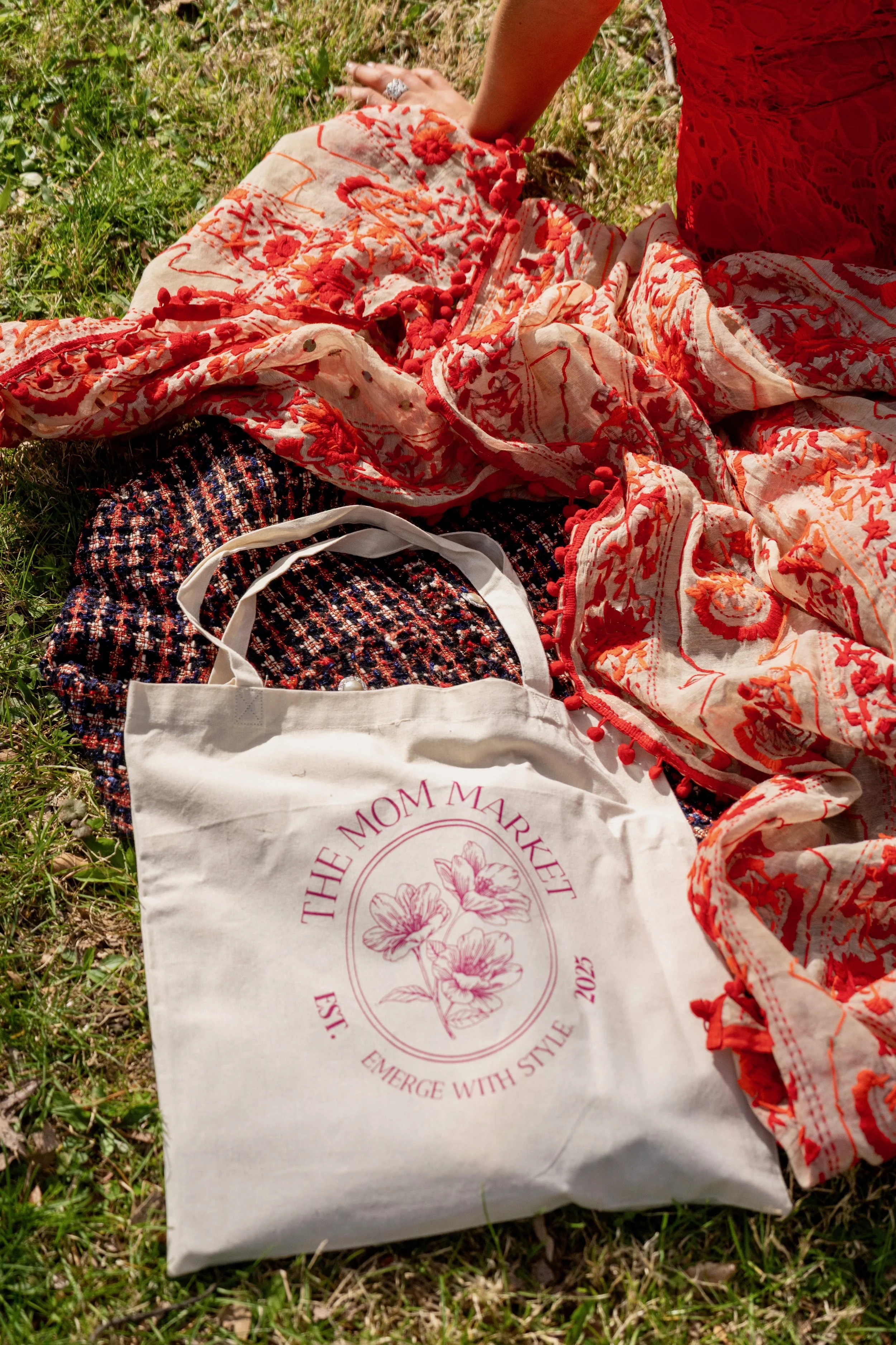
Meet Devika of The Mom Market
💐
Meet Devika of The Mom Market 💐
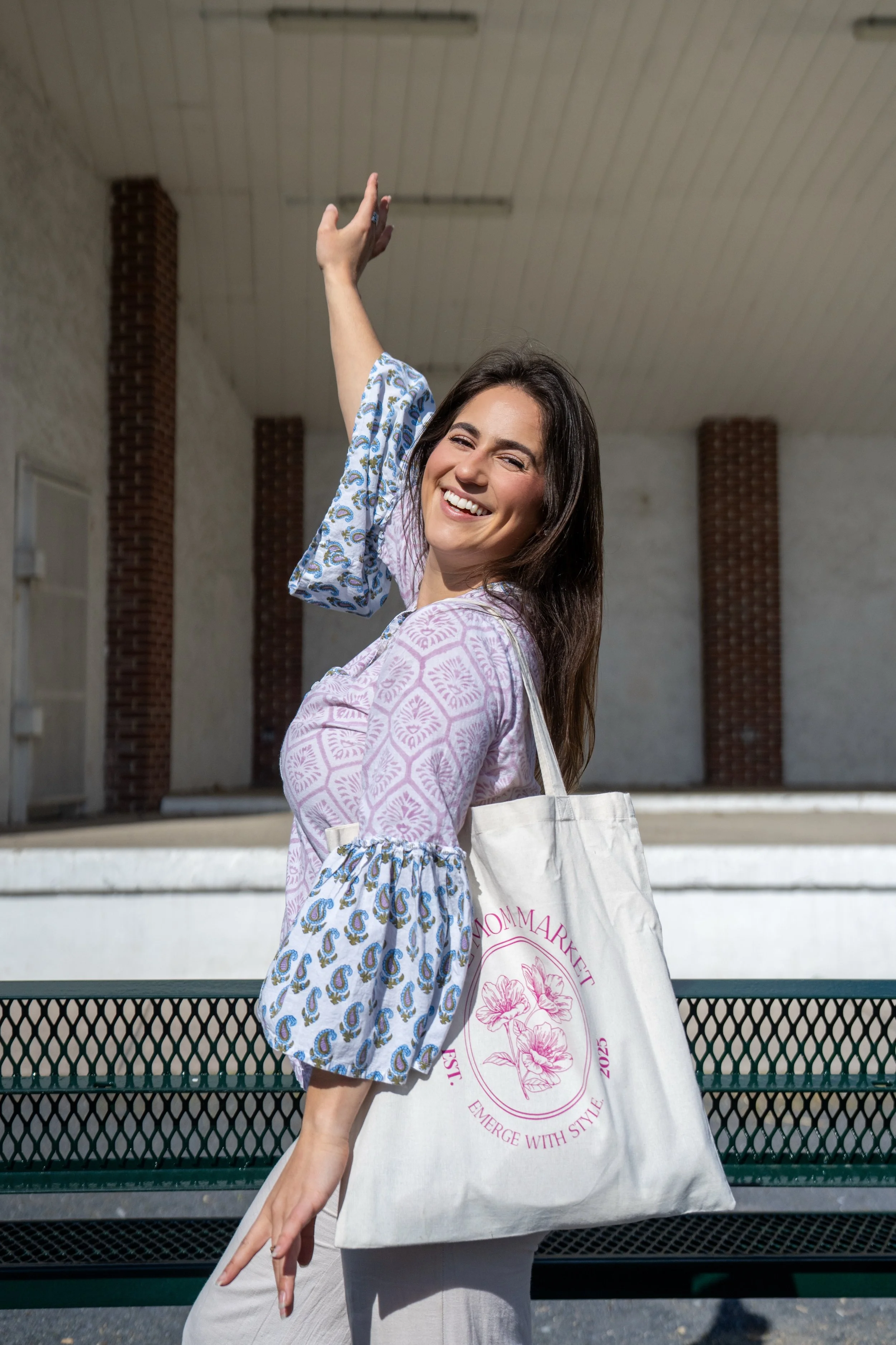
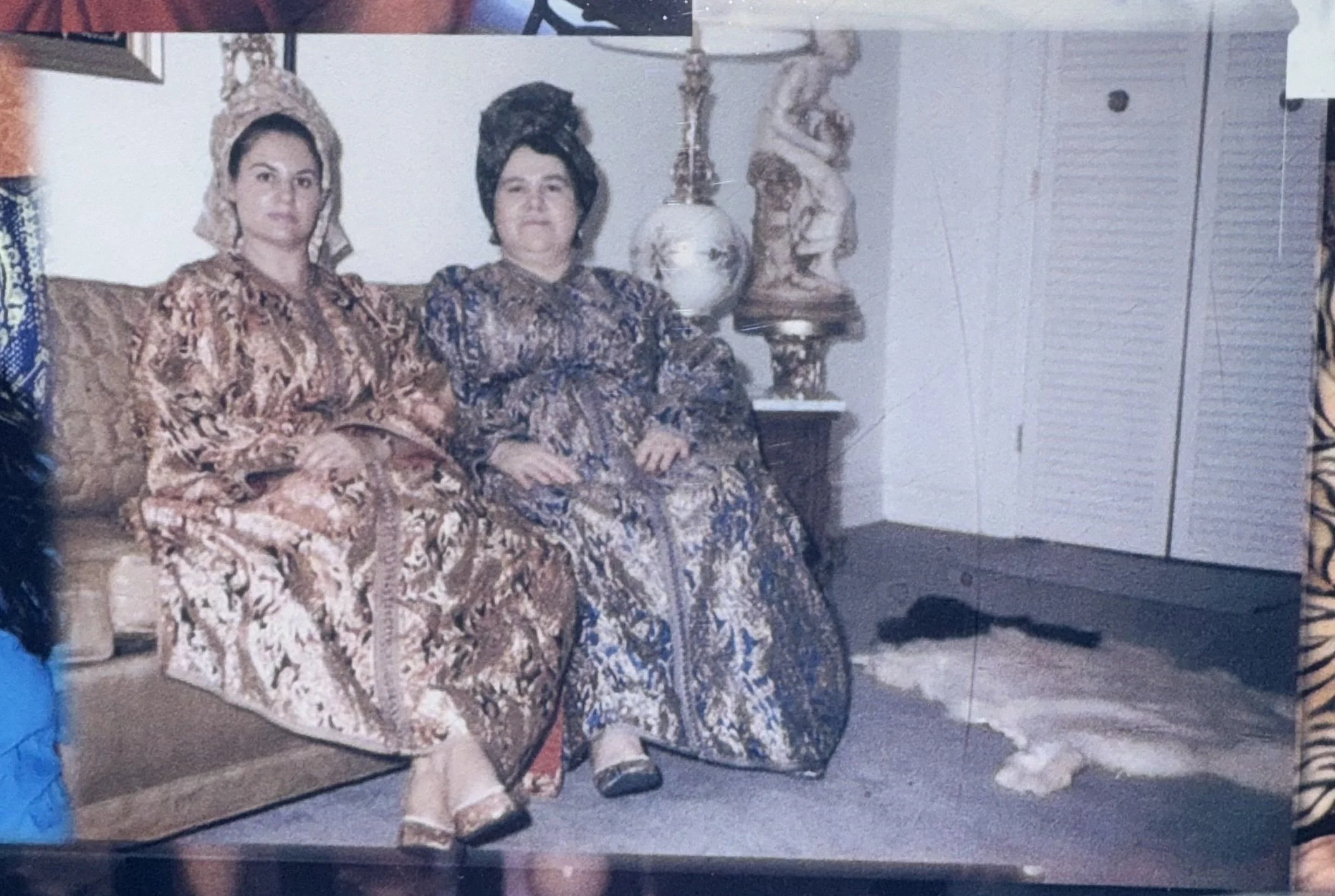
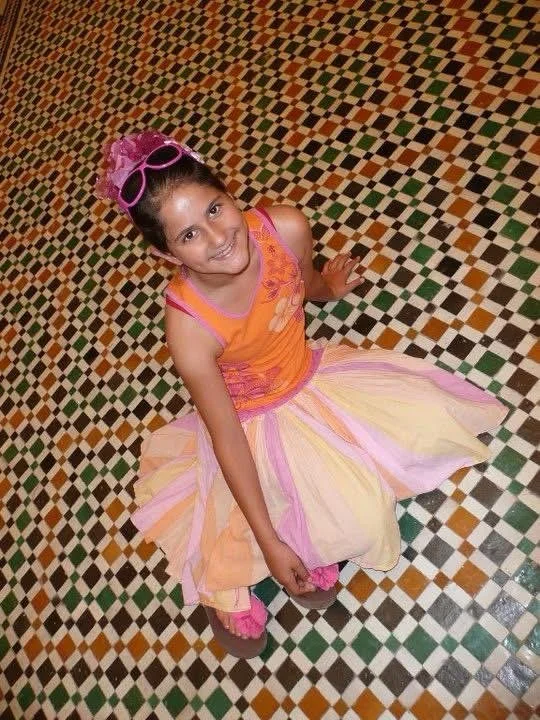
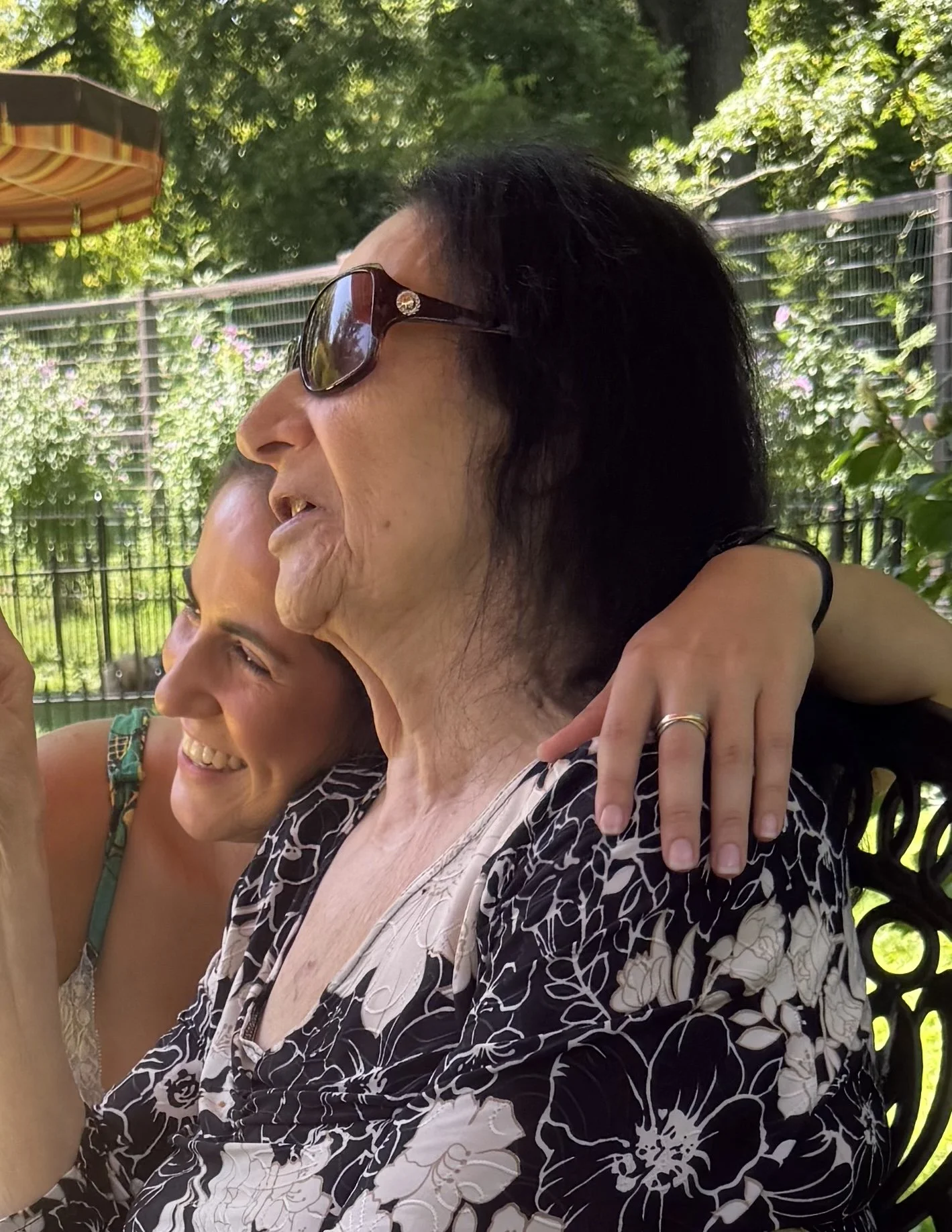
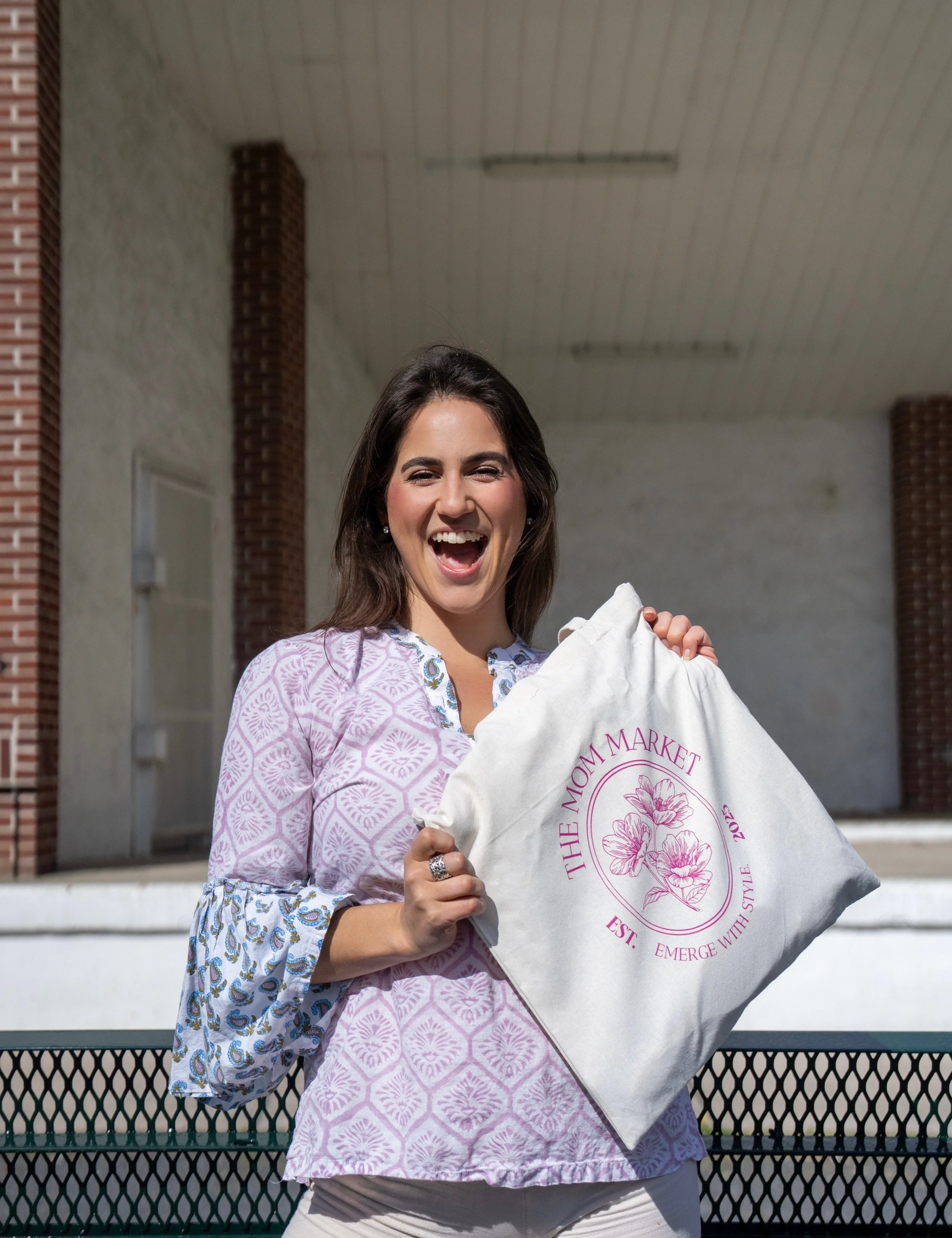
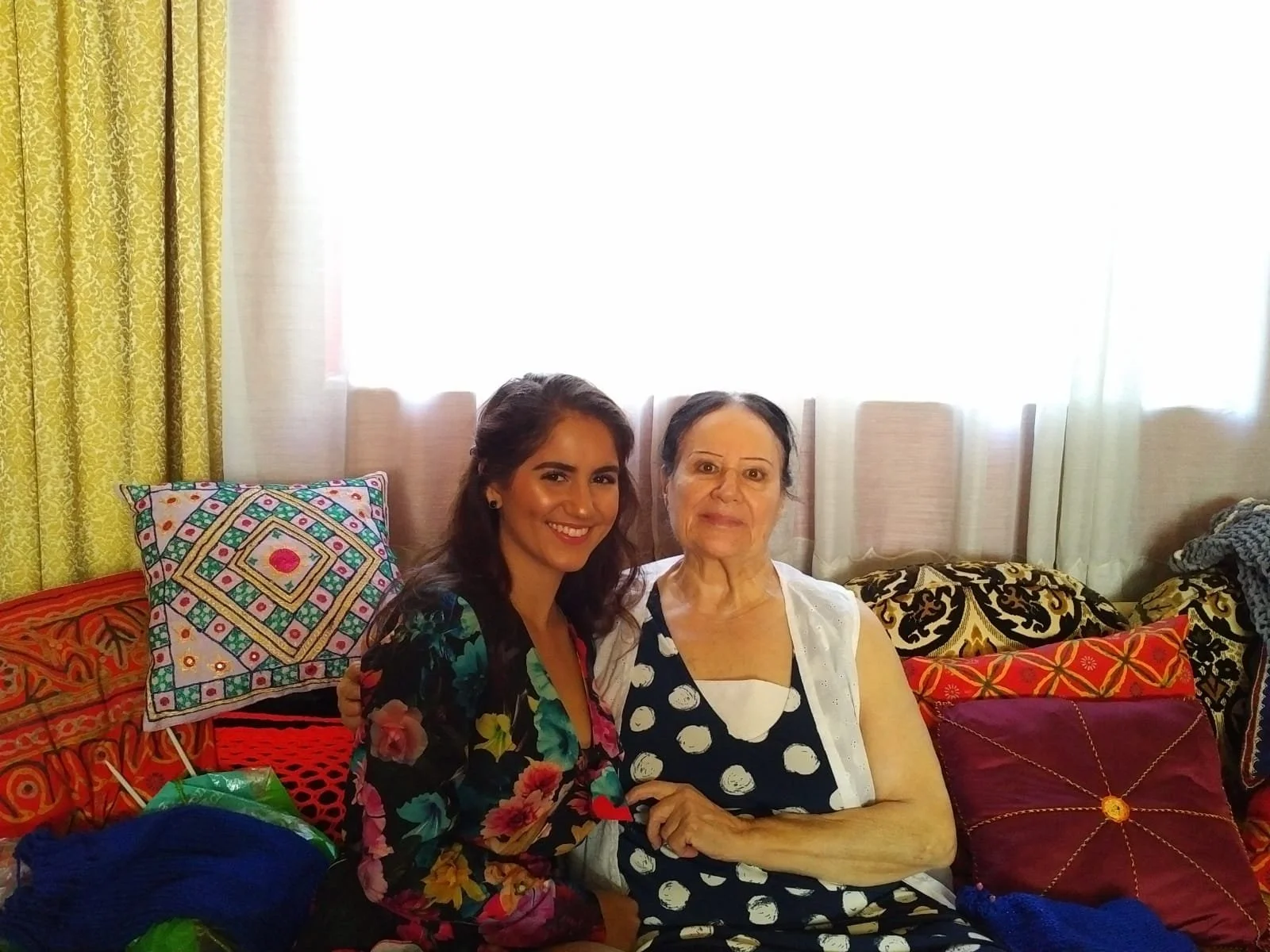
I come from a deeply rich and layered cultural background that has profoundly shaped who I am and how I move through the world. My father was born and raised in France, and my mother is Moroccan, so from an early age, I was immersed in a blend of cultures that felt both expansive and grounding. My parents were intentional about keeping me connected to my roots, ensuring I understood not just where I come from, but the stories and resilience that live within that lineage.
On my mother’s side, my family’s history traces back to Spanish-Portuguese Jews who were forced to flee during the Inquisition and ultimately found refuge in Morocco, where our roots took hold and flourished. My grandmother, who was born and raised there, embodies a level of resilience and strength that continues to inspire me daily. I carry a deep sense of pride knowing I come from a lineage of powerful matriarchs—women who built, endured, and paved the way for future generations. Their courage has given me the confidence to embrace my individuality and move through life authentically.
Growing up, I traveled to Morocco every year, which instilled in me a lasting connection to the land, the people, and the traditions. There is an undeniable spirit to Moroccan culture—a kind of “je ne sais quoi”—that celebrates life fully and wholeheartedly. The warmth, hospitality, and generosity are unmatched, and the richness of its history and beauty has stayed with me in every phase of my life. That sense of rootedness, combined with a deep appreciation for culture and community, continues to influence how I show up in both my personal life and the work I do today.
The inspiration behind my business came from both a personal need and a clear gap I saw in my community. In the Lehigh Valley, there are so many incredible women-owned businesses, but there wasn’t a strong, collective platform that brought that talent to the forefront in a bold and unified way. I wanted to create something that not only highlighted these women, but gave them space to be fully seen—to take up space with confidence, creativity, and purpose.
At its core, it was about visibility, but also about empowerment. I believe deeply in the importance of women having a creative outlet to build something of their own—something that allows them to express themselves while also creating financial independence. When I began growing The Mom Market, what could have felt overwhelming instead became energizing. Watching the vision expand only fueled my passion further.
My heritage is deeply woven into that origin story. I come from a lineage of entrepreneurs and self-starters who built from the ground up. When my maternal grandparents immigrated from Morocco, they started with very little and, through resilience and determination, built a life for themselves while raising four children. Each of those children—my mother included—went on to create businesses of their own. That example of grit, innovation, and perseverance was always present in my upbringing.
There’s a cultural instinct to create opportunity where it doesn’t exist—to not wait for permission, but to build something meaningful and bring others along with you. That mindset shaped how I approached my business: not just as something for myself, but as something larger than me, rooted in community, collaboration, and collective growth. In many ways, The Mom Market is a reflection of that legacy.
My own journey into motherhood was a defining turning point. It wasn’t something I felt fully prepared for, and I think many mothers can relate to that. At the time, I was about a year into building my nonprofit and just beginning to gain momentum, ready to expand and step more fully into my vision. Then suddenly, I had to pause—and that pause felt like everything was closing in. It was a difficult and disorienting shift, especially when I could so clearly see the potential of what I was building.
In that first year postpartum, my creativity felt stifled in a way I had never experienced before. I knew something needed to change, but I also knew I had to approach that change with care. What became my way through was something that has always grounded me: turning outward. I began investing my energy back into my community—asking, “How can I help? How can I contribute in a meaningful way?” That shift became a kind of medicine. It reconnected me to people, to purpose, and to something larger than myself.
In giving back, I found a renewed sense of fulfillment and inspiration. It reminded me that what felt lost wasn’t gone—it had simply been quiet, waiting to evolve. The spark never left; it just needed space to grow in a new way.
I’ve always known, even from a young age, that I was meant to create something impactful. That moment didn’t take me off my path—it reshaped it, deepened it, and ultimately brought me closer to the work I’m doing now. And in many ways, this is only the beginning.
My North African heritage deeply influences the way I create and curate. I’m naturally drawn to the eclectic—to pieces, people, and ideas that feel layered, textured, and full of character. Moroccan culture, in particular, is so rich in visual and sensory beauty—from its architecture and intricate details to its bold colors, natural materials, and textiles. There’s a balance of expansiveness and intimacy that has always stayed with me, and I find myself channeling that into my work.
The Mom Market reflects that spirit in a very organic way. It’s not static—it’s an ever-evolving space that adapts to the women and brands within it. Each season brings a new energy, shaped by the hearts and stories of those who are part of it. I approach it with a sense of intention, but also openness, allowing it to shift and grow naturally.
What’s most beautiful to witness is not just the market expanding as a platform, but the women within it evolving as well. They’re growing in their confidence, refining their craft, and deepening their connection to themselves, their work, and their community. There’s something incredibly powerful about that kind of collective evolution.
In many ways, it mirrors what I’ve always felt in Moroccan culture—a celebration of beauty in imperfection, a richness that comes from diversity, and an energy that draws people in and makes them feel something. That essence is at the heart of everything I create, and it’s what continues to inspire me.
My work through The Mom Market is rooted in creating intentional space for women—especially mothers—to be seen, supported, and celebrated. Because at the end of the day, mothers are women, and I believe deeply that ambition and family don’t have to be at odds. It’s possible to hold both, even if that balance looks different for each of us.
At its core, the mission is to bring visibility to female entrepreneurship in its fullest form, while creating a space that feels approachable, supportive, and inspiring. It’s not only for women who are already established, but also for those in the early stages—or even
just holding onto an idea—wondering where to begin. I want the platform to feel like permission to start, to explore, and to take that first step toward something of their own.
The Mom Market goes beyond hosting events—it’s about building an ecosystem where collaboration is encouraged and women feel confident taking up space and stepping into their potential. By bringing these businesses together, we’re not only increasing visibility, but also fostering meaningful relationships, support systems, and opportunities for long-term growth.
What makes it especially meaningful is the ripple effect. Supporting one mom or woman-owned business often means supporting a family, a dream, and a broader community. Creating a space where that kind of impact can happen—where women evolve and truly thrive together—is what continues to drive everything I do.
-
One of the most enduring values I was raised with is the importance of never showing up empty-handed. Whether it’s something tangible or simply an offering of presence, care, or intention, the act itself carries meaning. It’s a gesture that says, “I see you, I value you, and I don’t take this moment for granted.” Both of my parents modeled this
consistently, and it’s something deeply embedded not only in my upbringing, but in Moroccan culture as a whole.
There is also a natural, almost instinctive emphasis on empathy—on stepping into another person’s shoes and approaching relationships with depth and perspective. That way of being fosters a richness in connection that I carry into both my personal life and my work.
Food, in particular, has always been a powerful love language. Whether it’s sharing tea with a stranger or offering something small and homemade, these simple gestures have the ability to open doors—to conversation, to curiosity, to connection. In those moments,
strangers can quickly begin to feel like family, and stories flow in a way that feels both organic and deeply human.
Another guiding thread is a profound connection to the earth and to traditional ways of living. There is a deep respect for nature woven into Moroccan and North African cultures, especially within Amazigh (Berber), Saharan, and nomadic communities like the Tuareg and Sahrawi. Living in rhythm with the land—following the sun, understanding the wind, relying on the natural environment for sustenance—creates a spiritual bond with the earth that feels both grounding and ancestral. That connection has instilled in me a sense of awareness, adaptability, and reverence for the world around me.
These values—intentional generosity, meaningful connection, and a deep respect for both people and the earth—continue to guide how I show up in my life and the work I do today.
-
I wouldn’t say I’ve personally felt misunderstood. If anything, I’ve found that most people I meet are genuinely curious and drawn to Morocco—they recognize the depth, beauty, and cultural richness it has to offer.
I think that curiosity is a beautiful thing. I always encourage people who feel called to explore Africa to consider starting with Morocco. It offers such a unique blend of history, culture, and sensory experience that gives you a meaningful introduction to the continent as a whole.
Africa, in its entirety, is incredibly diverse and expansive, and Morocco is just one piece of that—but it’s a powerful and accessible entry point. There’s so much to learn, experience, and appreciate, and I think that openness to exploring different cultures is something really special.
-
The legacy I hope to leave behind is one where women no longer feel like they need permission—to start, to take up space, or to step into fields that may feel unfamiliar or male-dominated. I want it to be known that you don’t have to have everything figured out to begin building the life you envision for yourself.
More than anything, I hope it reinforces the belief that women are deeply capable, intelligent, and resilient. We hold so much for others in our lives—with care, strength, and consistency—and we are just as capable of holding that same energy for ourselves and our own dreams.
If there’s one thing I want women to walk away with, it’s the permission to trust themselves. To explore, to create, and to grow into who they’re meant to be—without waiting for validation.
Instagram @momsmeetmarket
Meet Nadine of Helwa Awii
🍵
Meet Nadine of Helwa Awii 🍵
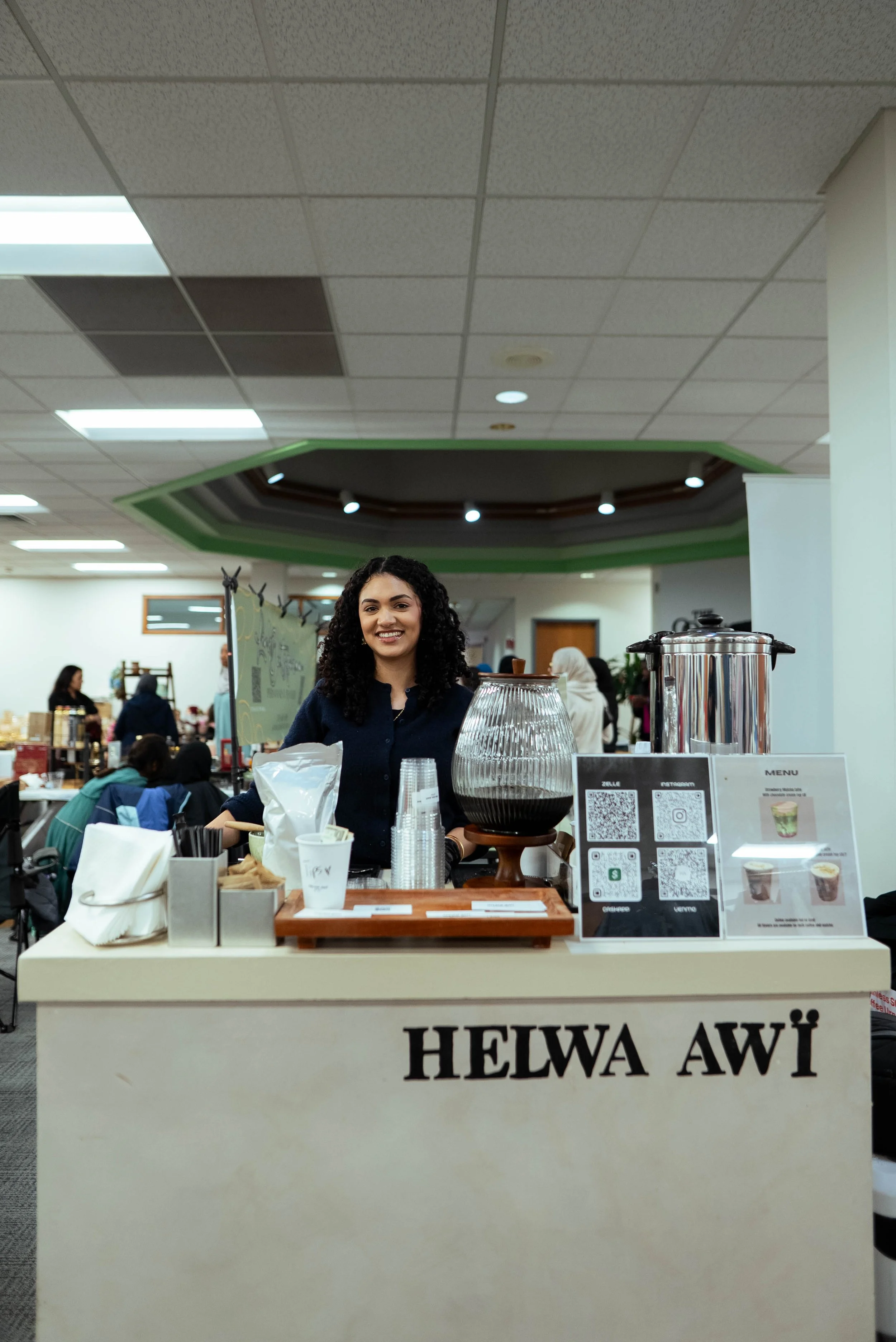
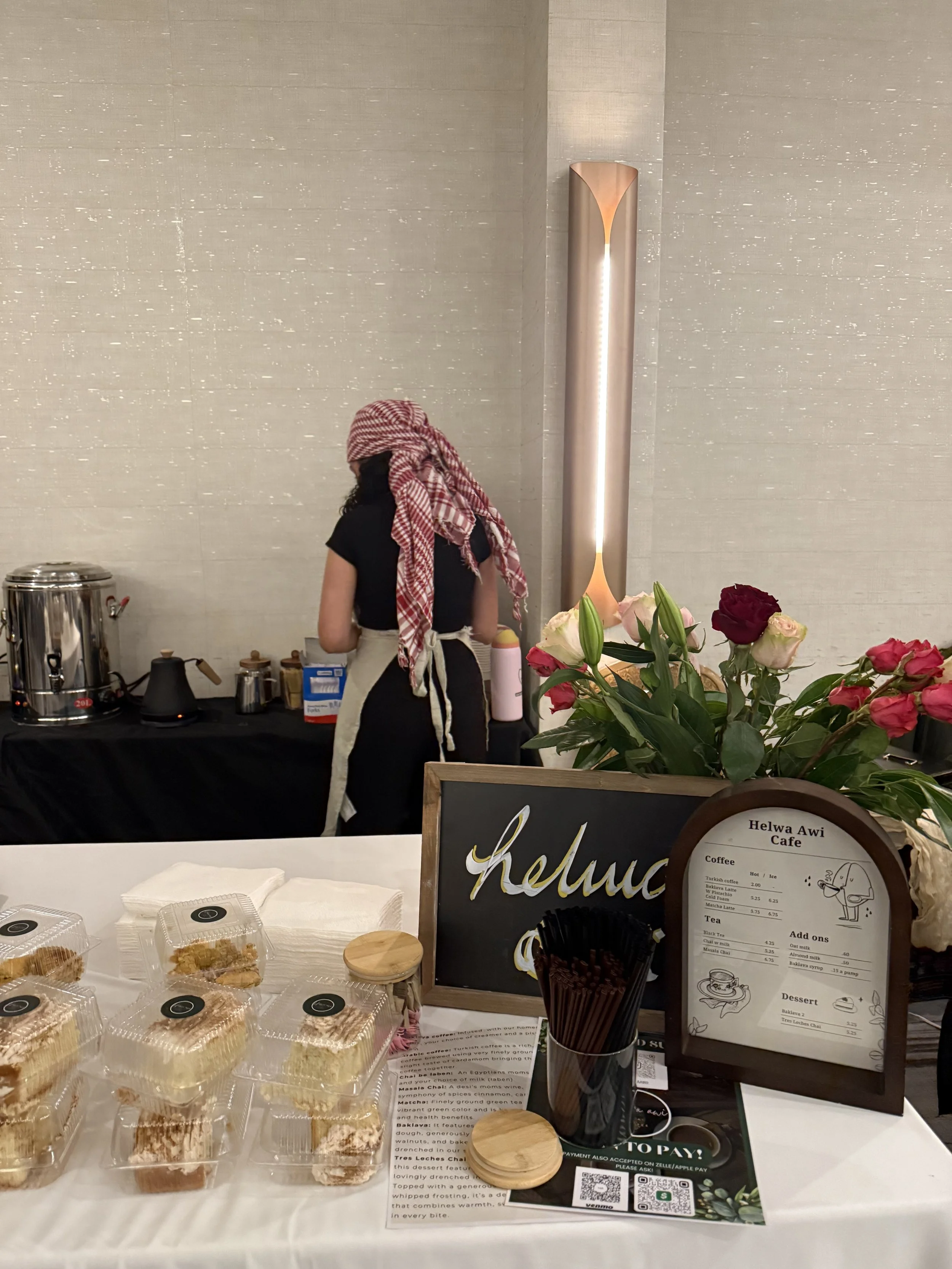
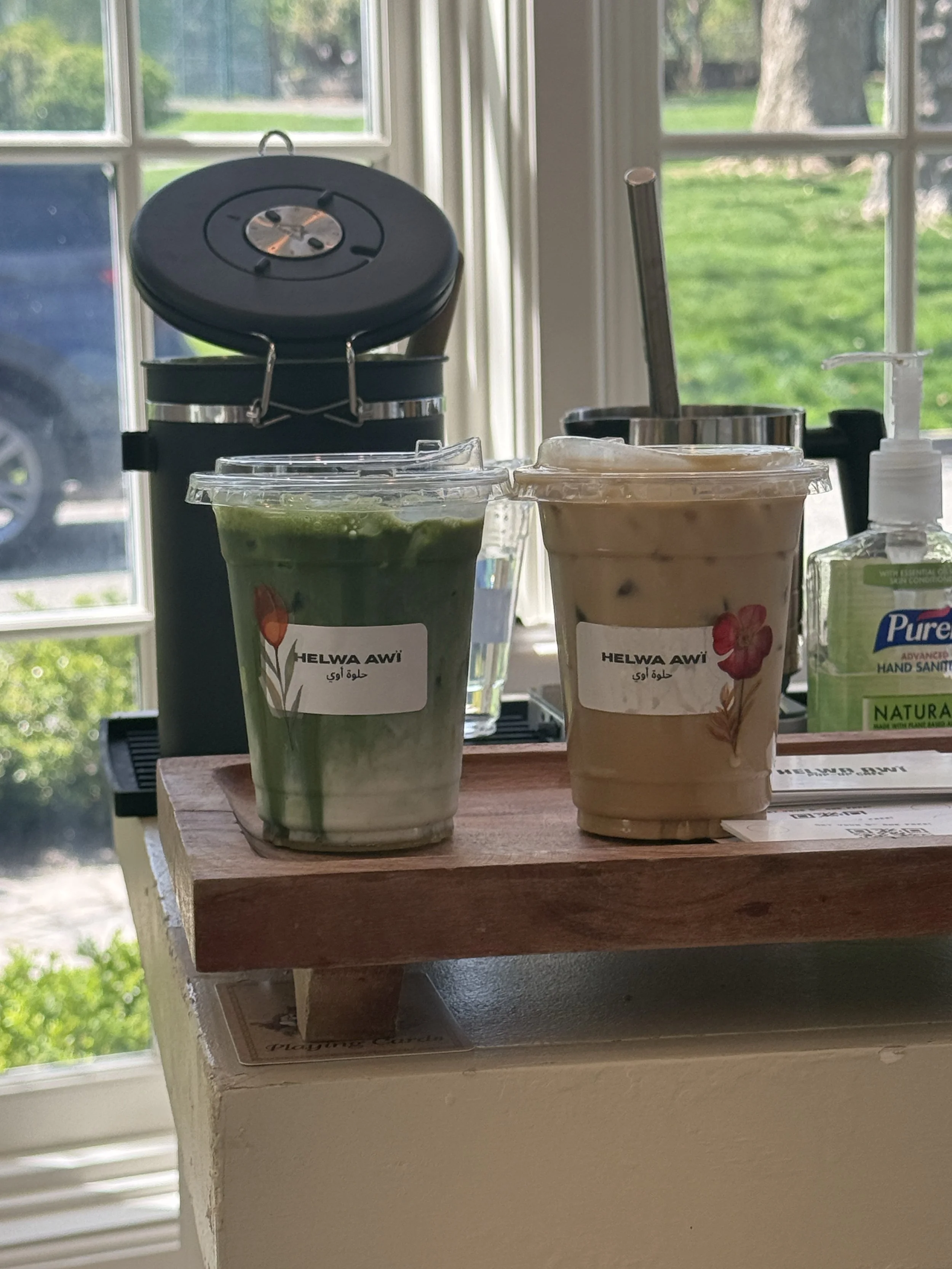
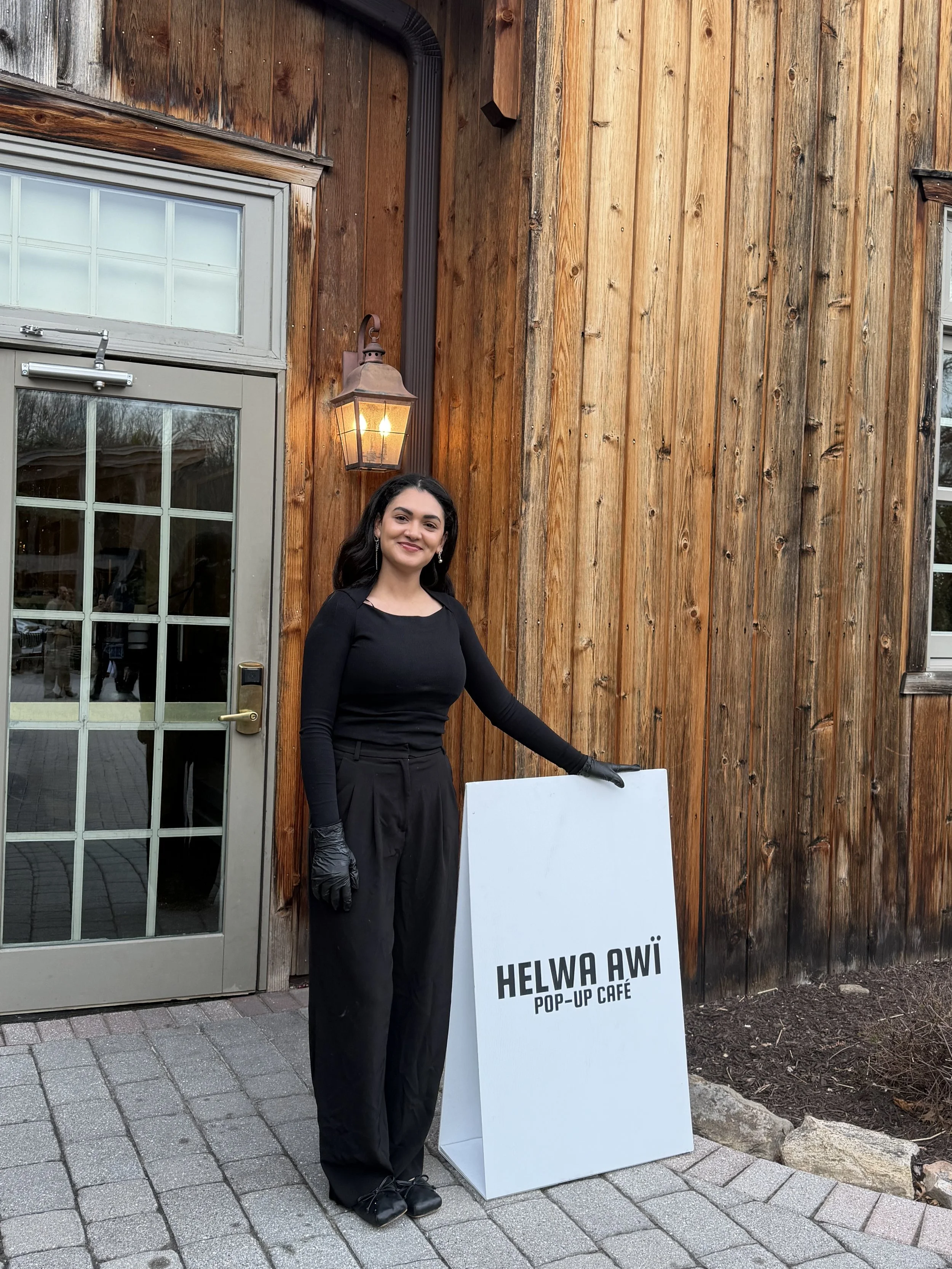
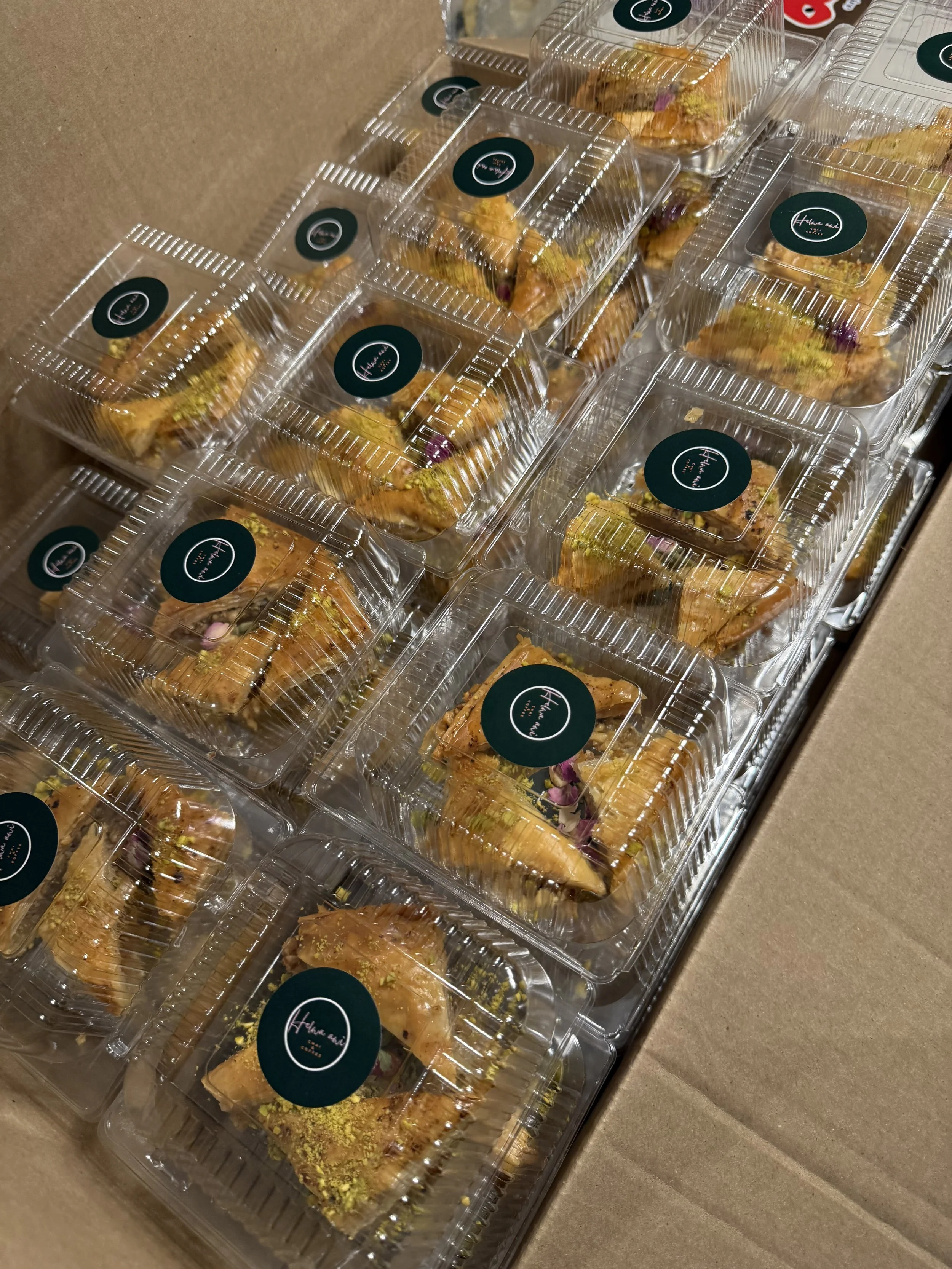
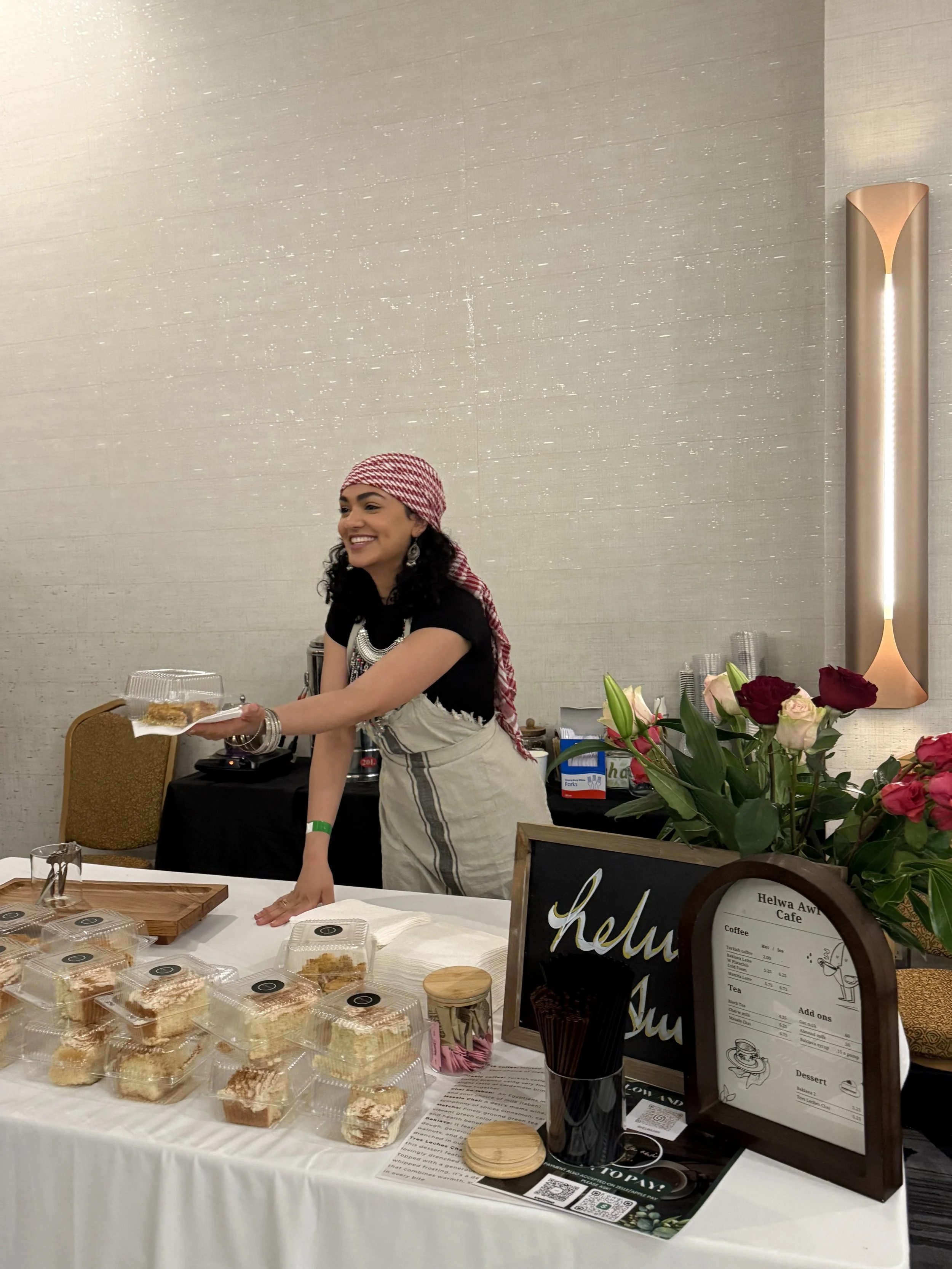
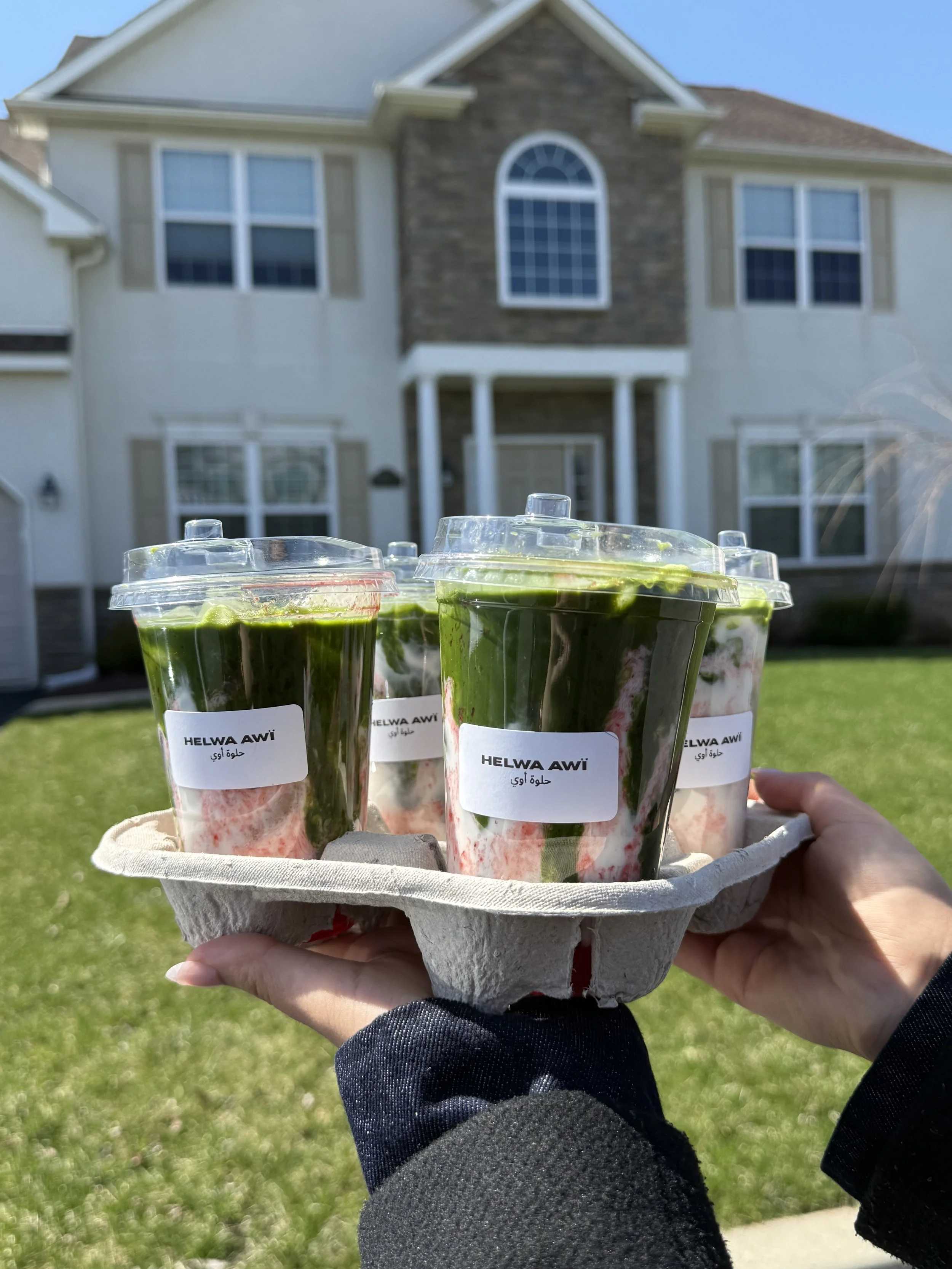
I come from an Egyptian background, which has shaped my appreciation for hospitality, community, and tradition. It influences how I connect with people and inspires me to bring those values into my work in a modern and creative way. That foundation is what led me to open my to-go café in Allentown. I wanted to create a space that reflects those values in a real, everyday setting where people can experience warmth, intentional service, and a sense of connection, even in something as simple as a coffee or matcha order.
Coffee and tea have always been such a big part of my life, which is why I feel strongly that they should be done with care and respect. In the Lehigh Valley, there isn’t much representation of Egyptian flavors or the way we experience coffee and tea culture, so I’ve always felt a responsibility to bring that perspective in an authentic way. I also grew up drinking green tea, and when I was introduced to matcha in 2018 at a local shop here in the Lehigh Valley, it genuinely changed my world. I instantly fell in love with it. That moment pushed me to study matcha more deeply about its preparation, its traditions, and the ceremony behind it. The more I learned, the more I realized how similar Japanese tea ceremonies are to the gatherings I grew up with in Egypt. That connection made me want to honor both traditions properly. It became my mission to preserve that sense of ritual and bring it into the Lehigh Valley in an intentional way. I serve matcha the way it’s traditionally meant to be served not in the overly simplified or commercialized way it’s often presented in the U.S., but with respect for its origins and meaning.
I started my business because there wasn’t any coffee or matcha cart culture in the Lehigh Valley especially not one led by an Egyptian woman. I wanted to introduce this “cart” experience to people here and make it part of their weddings and celebrations. Now, seeing so many matcha and coffee carts open makes me genuinely happy. It shows that there was a need for it, and it’s rewarding to know I played a role in bringing that culture here. For me, it’s never just been about being the only one, it’s about building something meaningful and seeing it grow within the community. A big part of that comes from my Egyptian heritage. I grew up around a culture where hospitality is everything, where offering coffee or tea is a gesture of care, connection, and respect. That mindset shaped how I built my business. Every drink, every interaction, is meant to feel warm, welcoming, and personal.
Since high school, I've always wanted to open my own cafe. I tried to bully my parents into doing it, but they were scared to take that step. After finishing college and becoming a nursing student, I realized that this wasn't what i was meant to do in life. I remember seeing an ad from the amazing organization here in the Lehigh called “light it up for humanity”, where they were hosting a fundraiser event for Gaza, Palestine. They had a bunch of vendors for food clothing, etc. But they were missing a drink vendor. And that’s when I realized Lehigh Valley didn't really have a matcha/coffee/chai mobile bar so I decided to start the first one.
I couldn't start my mobile bar and have it be our normal “vanilla lattes”, I wanted to bring my culture into this. That’s when I came up with the baklava latte (orange blossom, cinnamon honey notes). I used my mom's recipe that was passed down from grandmas which was passed down from her mom, etc. People fell in love with the syrup and it easily became my bestseller. Since marrying into a Pakistani family, they have introduced me into a whole new world of flavors and I now also incorporate Pakistani flavors like, also a best seller, Gulab Jamun latte (cardamom, cinnamon, saffron, rose water).
I wish people understood how giving we are. I’m a business owners' worst nightmare because I have given out more free drinks than a whole business combined. We do everything in our power to help anyone out no matter what.
My work uplifts the community by creating a new kind of social and celebratory experience through coffee and matcha carts for events like weddings and gatherings. It gives people something interactive and intentional to enjoy together, which helps bring a sense of connection and warmth to special moments. At the same time, it also introduces a more modern representation of MENA culture in the Lehigh Valley. I focus on hospitality and detail in a way that makes people feel welcomed and at home, while showing that our culture is evolving and present in everyday, contemporary spaces.
I want it to be remembered not just as another café opening, but as something created with deep purpose, built by someone who doesn’t see this as just a business venture, but as a lifelong passion. I’ve spent years studying café culture and have a deep appreciation for the traditions behind coffee, matcha, and chai the rituals, the history, and the way they bring people together. That respect is at the core of everything I do. On a larger scale, I hope to grow beyond the Lehigh Valley and reach people across the United States and eventually globally. My goal is to show that cultural identity and tradition can be expressed in a modern, elevated way while still staying true to their roots, and to build something that continues to inspire connection wherever it goes.
-
Yes, it's very intentional. A lot of what I offer is rooted in the cultural traditions I grew up with, especially around hospitality and how coffee and tea are used to bring people together. In my culture, serving drinks is a form of care and connection, and I carry that same intention into my work. At the same time, I also deeply respect and honor Japanese matcha traditions. I pay attention to the ritual, preparation, and simplicity that matcha comes from, and I try to preserve that sense of mindfulness in how it’s served and experienced. Overall, I weave both cultural storytelling and tradition into what I offer while presenting it in a modern, welcoming way that feels authentic and intentional.
-
For years in the U.S., MENA communities haven’t always had the strongest or most accurate representation. One of the biggest questions I asked myself before starting my business was: “what am I going to offer that is different from what already exists?“ That's when I realized I wasn’t fully aligned with what was currently being offered. Many MENA-inspired cafés in the U.S. focus heavily on traditional aesthetics to evoke “back home” feelings but I wanted to take a different approach. My goal is to represent my culture in a more modern and evolving way. We are not stuck in the past, and our culture is not defined by static symbols. The Middle East is dynamic, innovative, and constantly progressing, and I wanted my brand to reflect that reality. Instead of recreating nostalgia, I wanted to build something that feels current rooted in heritage, but expressed in a way that feels elevated, intentional, and forward-looking.
-
Coffee and tea have always been a huge part of my culture. In Egypt, cafés everywhere you’ll see groups of men playing chess, talking for hours, and sipping on black tea, green tea or Arabic coffee. It’s not just about the drinks; it’s about connection, presence, and community. My earliest memories include chai being one of the first drinks I had, aside from milk and water. When someone comes to your home, you always offer chai, and before they leave, they’re offered Arabic coffee. It’s a rhythm that’s always been around me. I remember family gatherings where trays of tea and coffee would come out continuously, or my grandfather sitting at his corner café with his friends, playing chess and drinking mint tea or Arabic coffee. That’s the culture I want to bring into the Lehigh Valley. I want people to walk into Helwa Awï and feel that same sense of warmth, familiarity, and belonging like they’re right at home, even if they’re far from it.
helwaawii.com | Instagram @helwaawii | TikTok @helwaawii
As we close out this reflection, I keep coming back to that initial moment of realization. There are so many communities, stories, and voices that deserve more space than they are often given. Learning about Arab and MENA Heritage Month was a reminder that awareness is only the beginning. What we choose to do with that awareness is what truly matters.
Supporting MENA women owned businesses in the Lehigh Valley is one small but meaningful way to be part of that shift. It is about where we choose to spend, who we choose to amplify, and how we show up for one another in our everyday lives. These businesses are not only offering products or services, they are creating space, fostering connection, and contributing to a more inclusive and well community.
Let this be an invitation to stay curious, to continue learning, and to seek out stories that may not always be centered. Explore the businesses shared above, share them with your community, and take a step toward supporting representation that is thoughtful, expansive, and rooted in real connection.
